25 Aug, 2026
Mainstreaming Climate Adaptation for a Resilient Future: Key Takeaways from the ClimateWest 2026 Forum
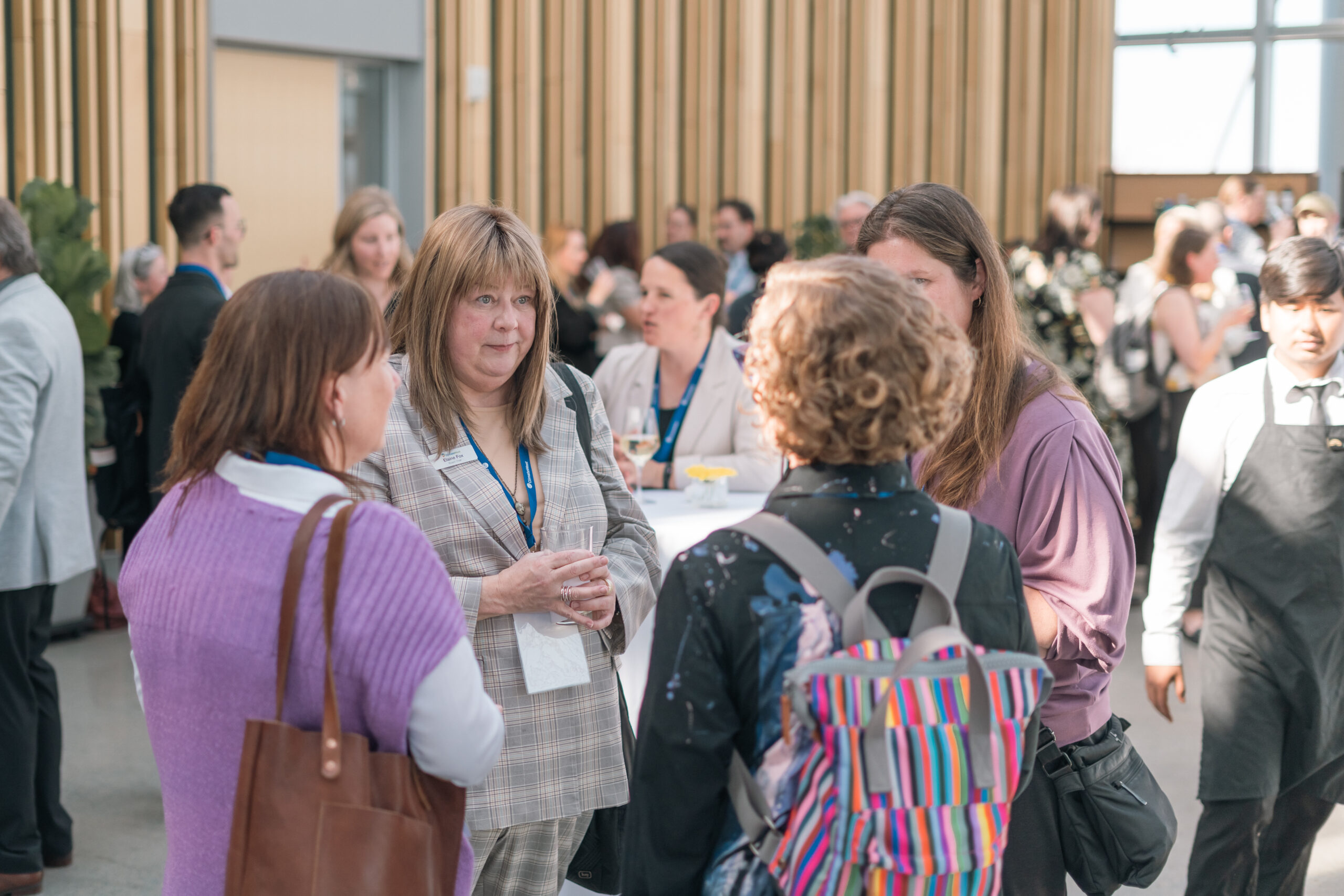
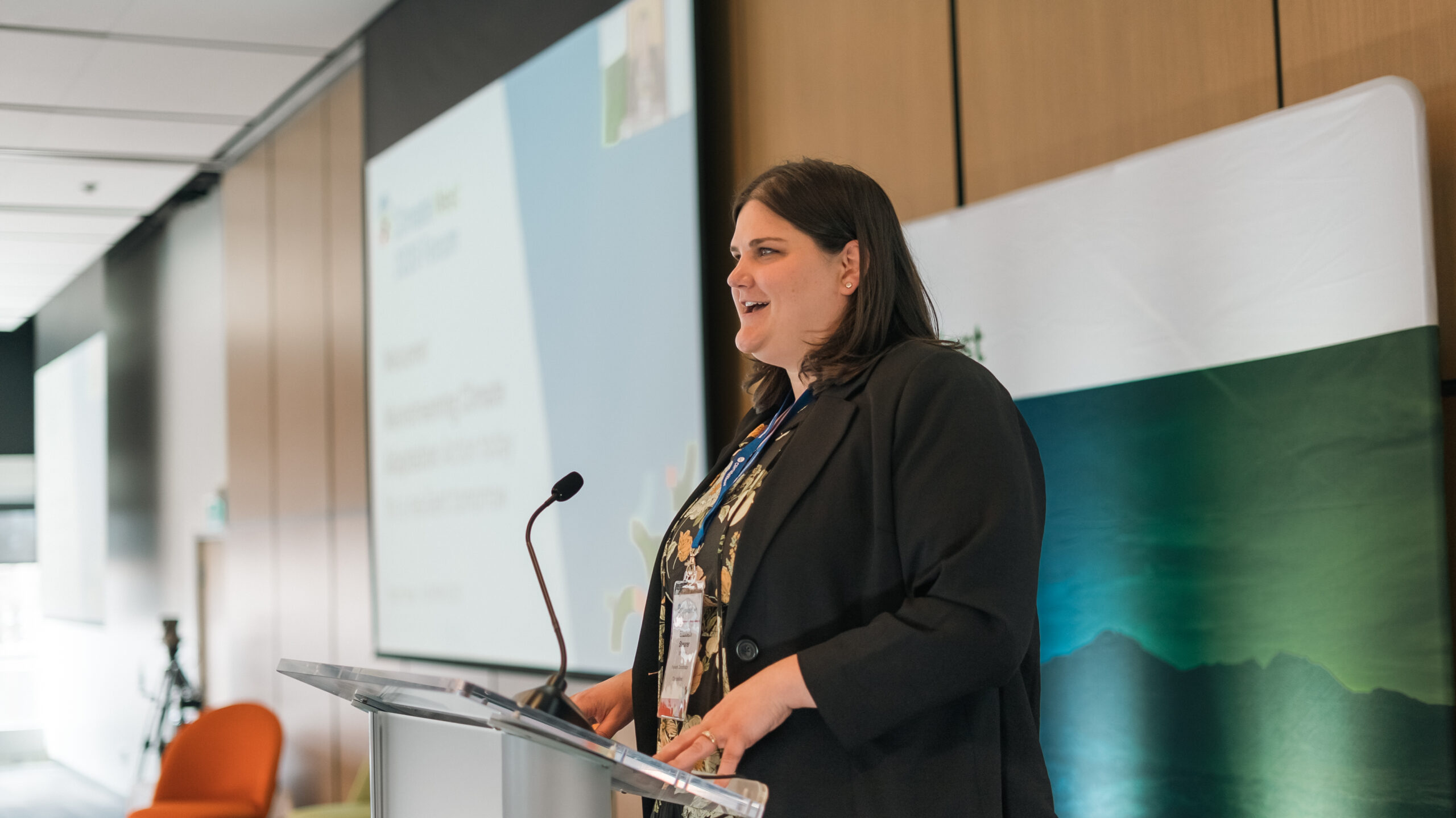
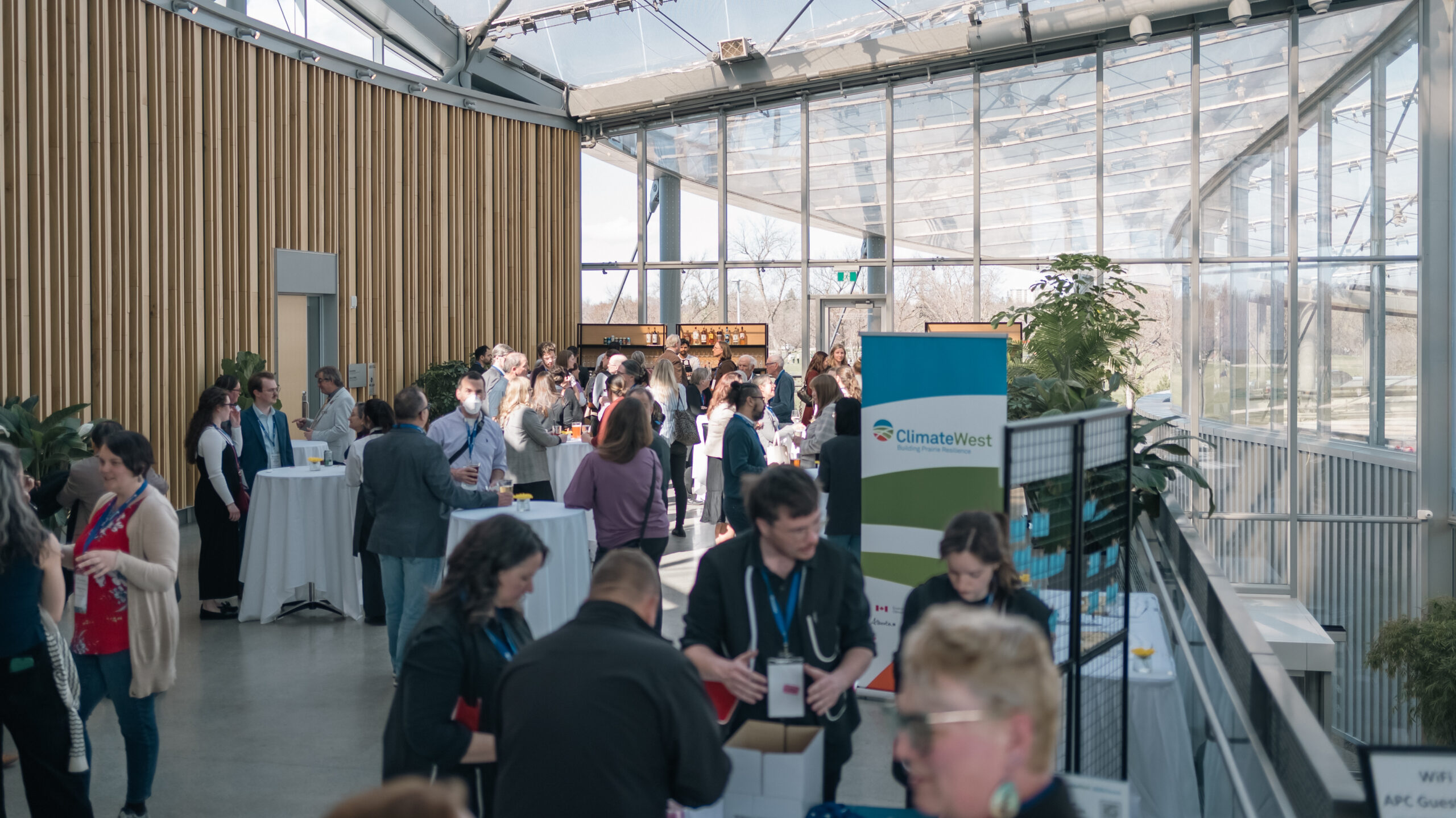
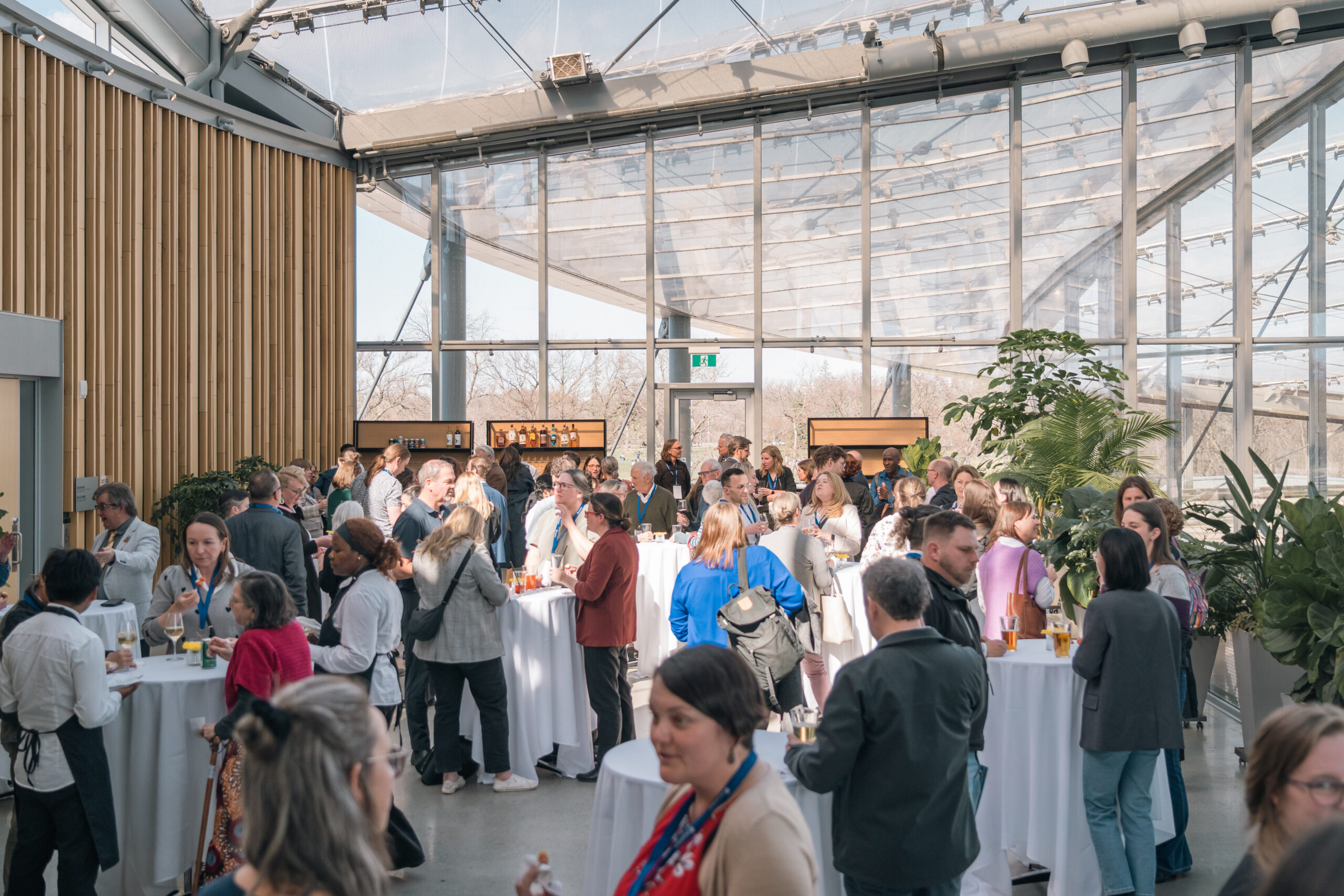
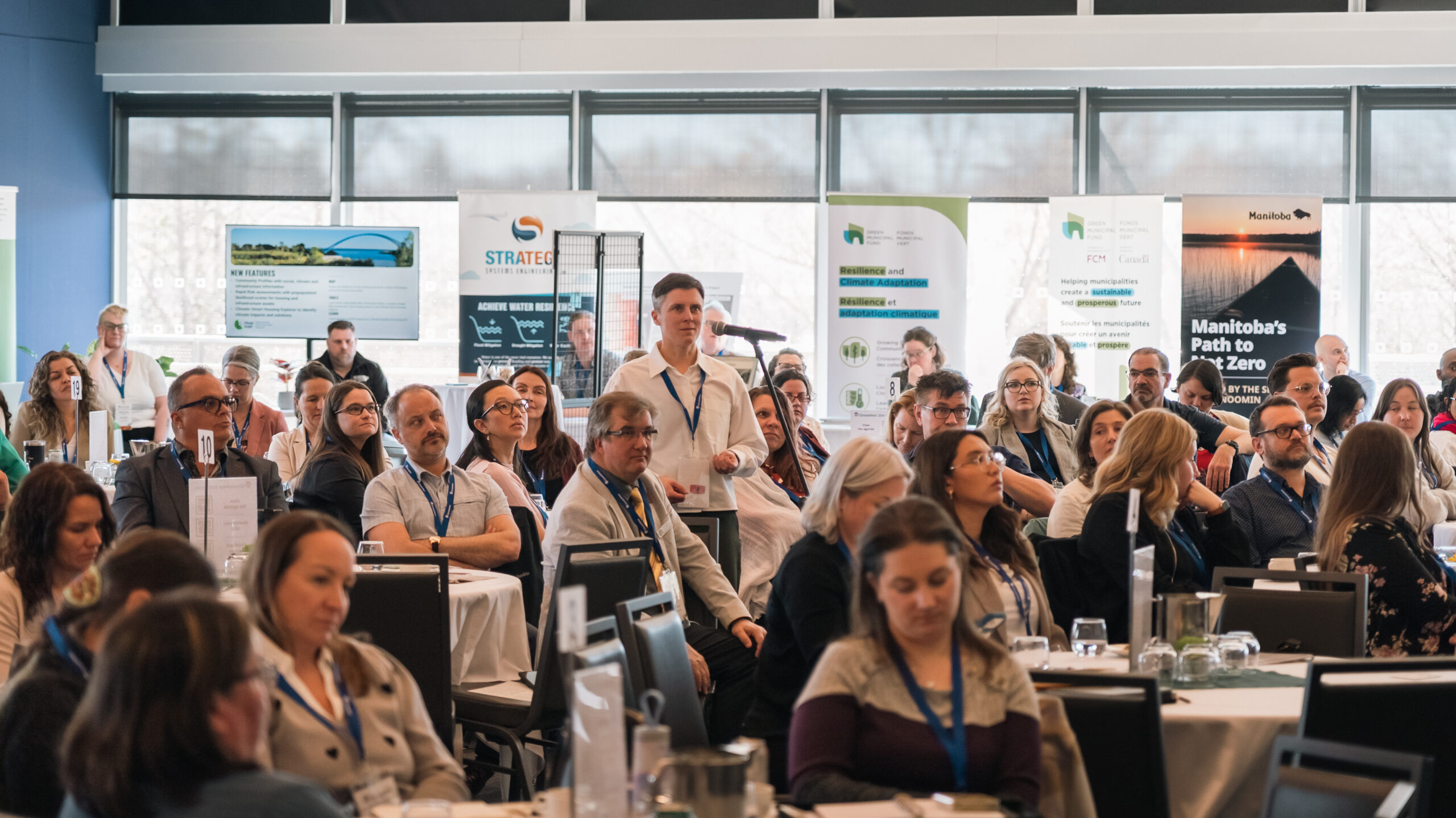
On May 12 and 13, the ClimateWest 2026 Forum took place at The Leaf, a stunning LEED Gold Certified venue overlooking vibrant biomes, on Treaty One Territory in Winnipeg. Now in its fourth year, this annual event returned to Manitoba after previously being held in Saskatchewan and Alberta. Over 150 in-person guests and 126 virtual participants came together to explore the theme of mainstreaming climate adaptation through dynamic speakers, panel discussions and networking opportunities.
Throughout the conference, participants heard from 20 unique speakers who are at the forefront of integrating adaptation into their work. Presenters explored a wide range of topics including future regional climate projections; Two-Eyed Seeing; locally-driven drought and flood management; communicating climate adaptation; the role of insurance; building resilient infrastructure; and bringing adaptation to life through enabling policy, strategic funding, and on-the-ground action.
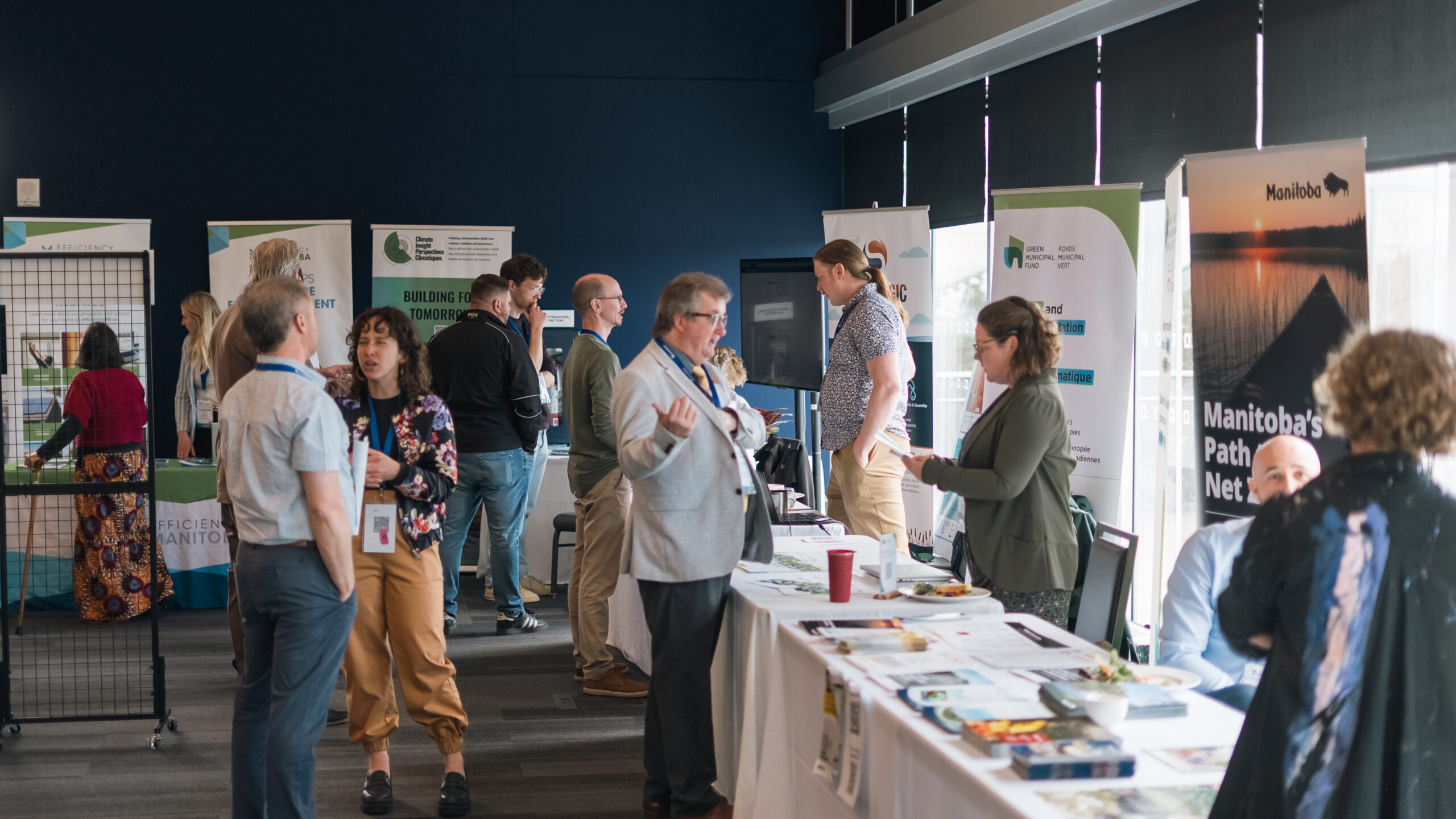
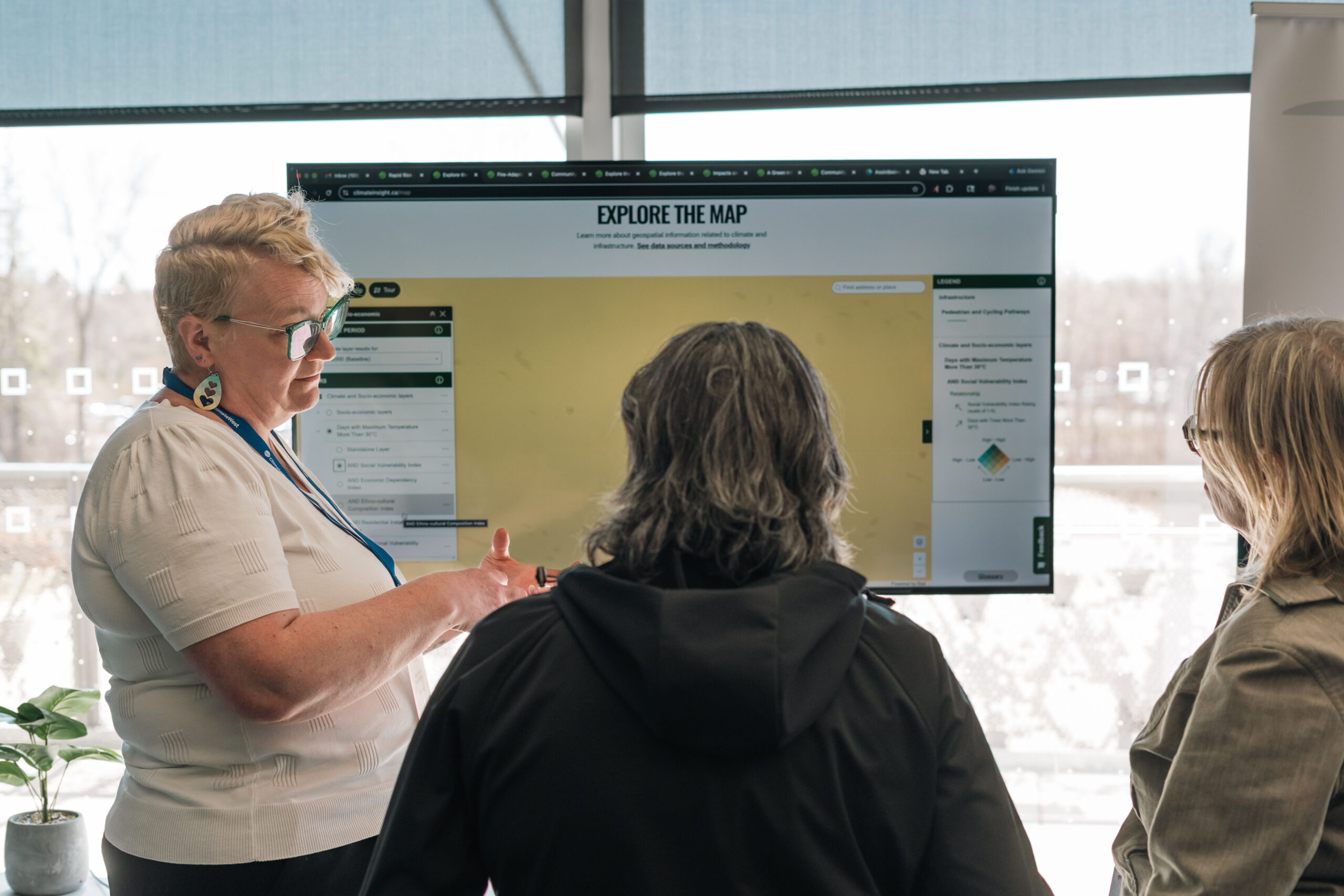
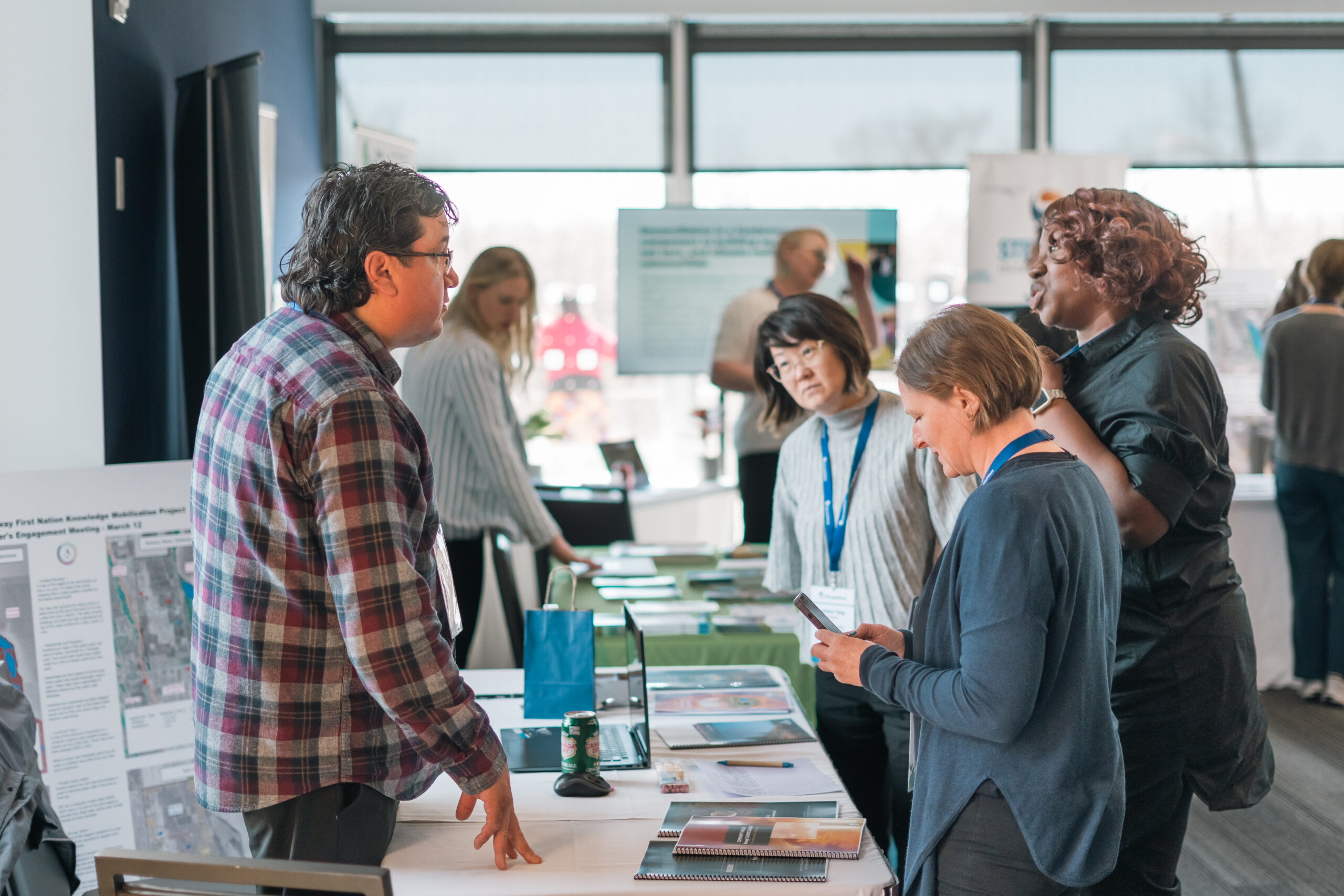
Bringing together leaders and practitioners from diverse sectors in one place was a grounding way to learn from one another’s innovation, celebrate accomplishments and identify possible actions to address remaining gaps and challenges. New this year, the forum also offered learning tours, an exhibitor space, and a social networking event to foster collaboration and support attendees in turning their learnings from the forum into actionable next steps.
Continue reading below to discover our four key takeaways from the Forum or download the report.
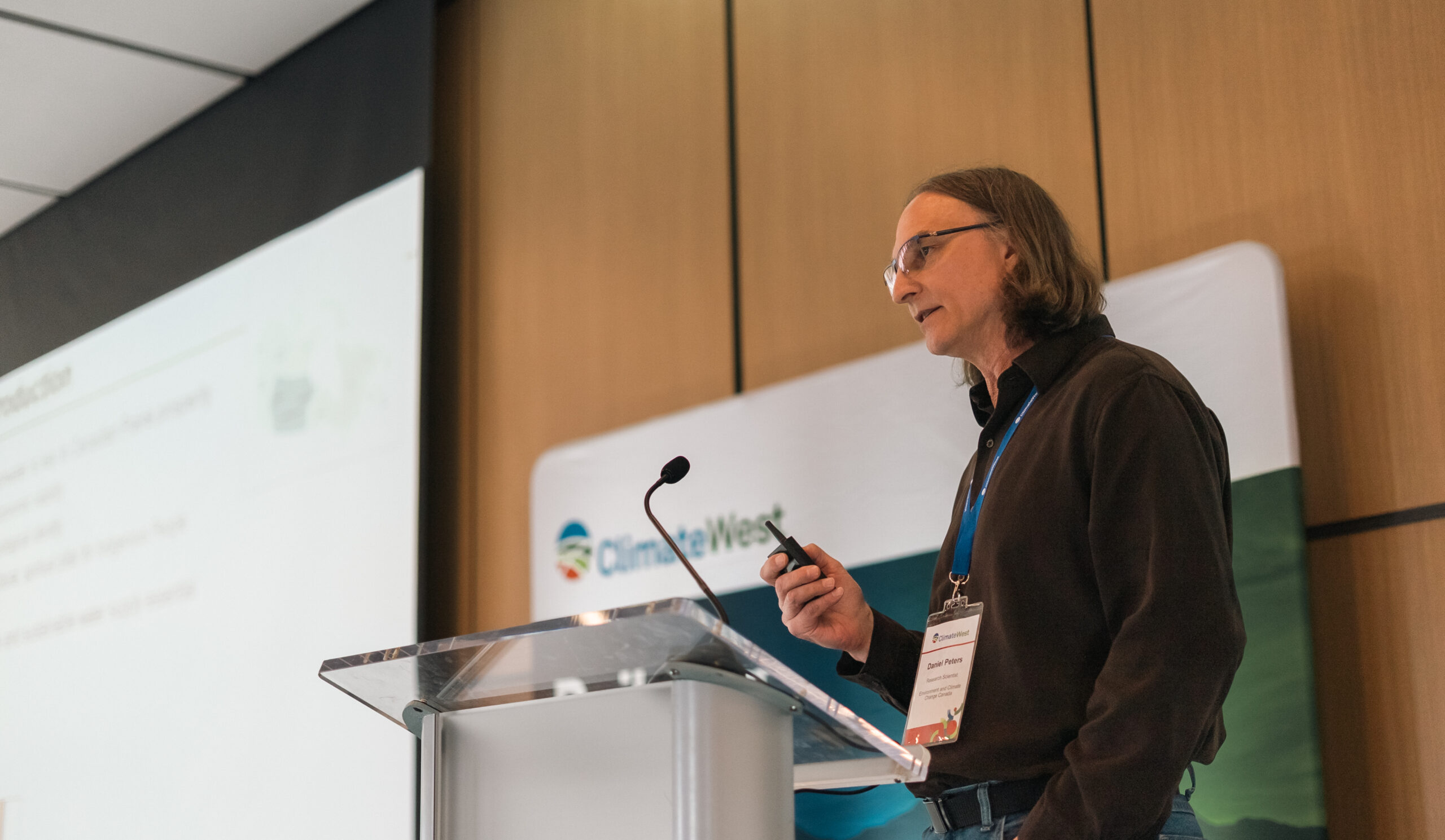
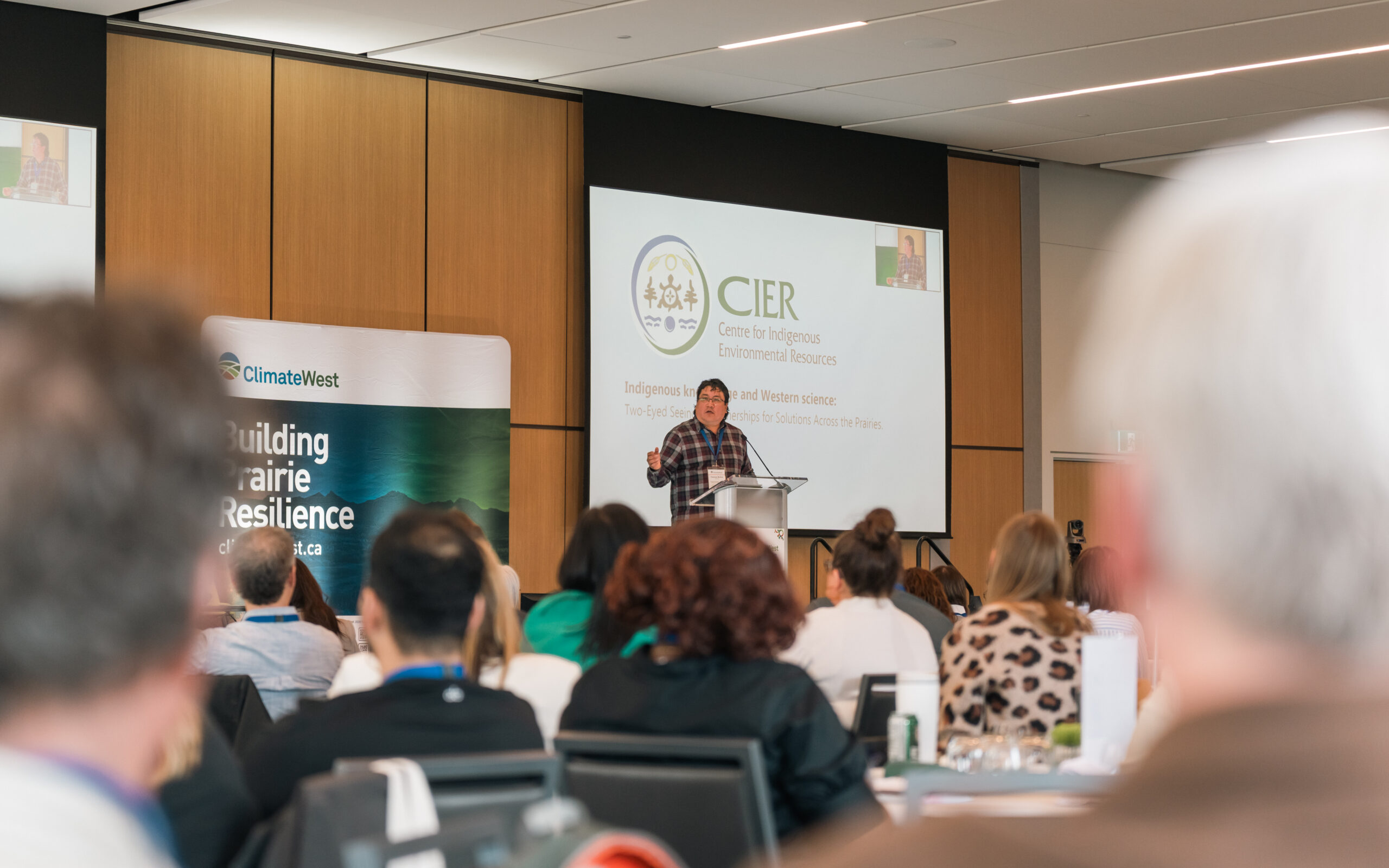
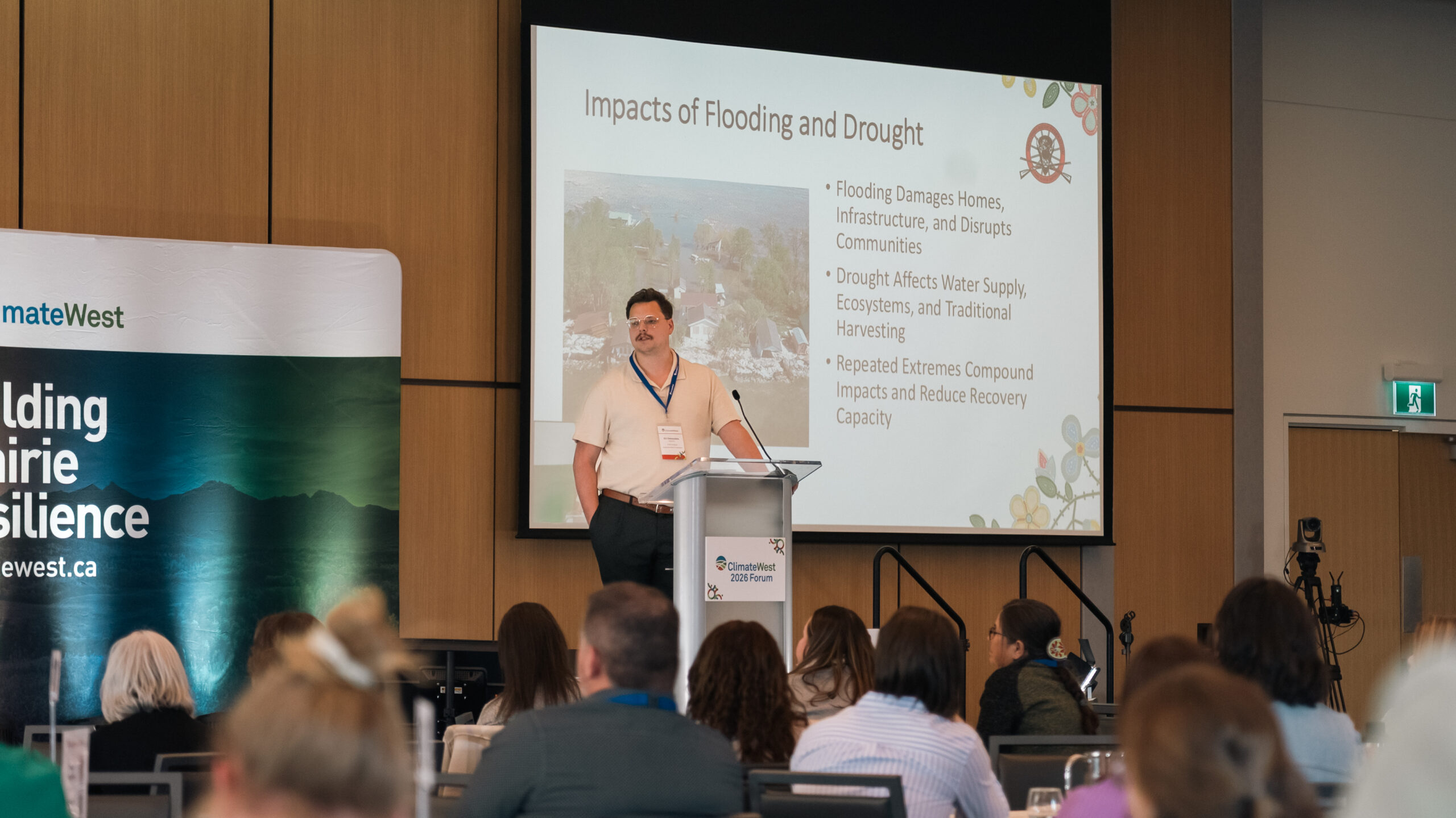
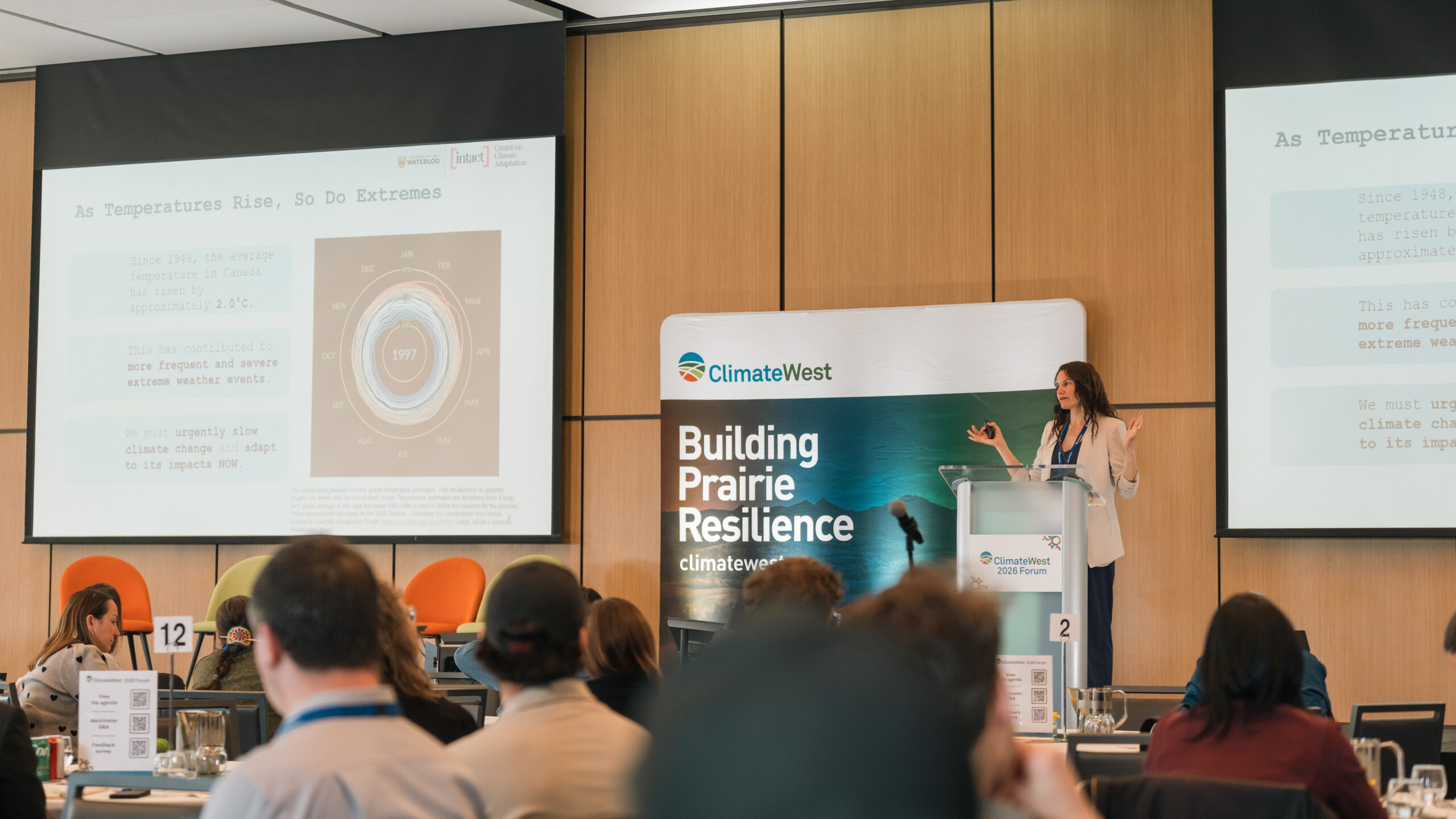
Dr. Daniel Peters from Environment and Climate Change Canada, and Thomas McKay from CIER kicked off the formal program with complimentary presentations exploring climate change impacts and adaptation through Western science and Indigenous knowledge. Daniel’s presentation showcased the current state of climate change in the prairies through modelling and the latest available data sets. Thomas shared the practical application of Two-Eyed Seeing, bringing together the strengths of Indigenous knowledge and Western science through the Sandy Bay Ojibway First Nation Water Resilience Master Plan. This concept echoed throughout the remainder of the forum. Eli Desautels from the Manitoba Métis Federation stressed the importance of involving Métis citizens early in adaptation planning, given their deep knowledge of the land and its changes over time.
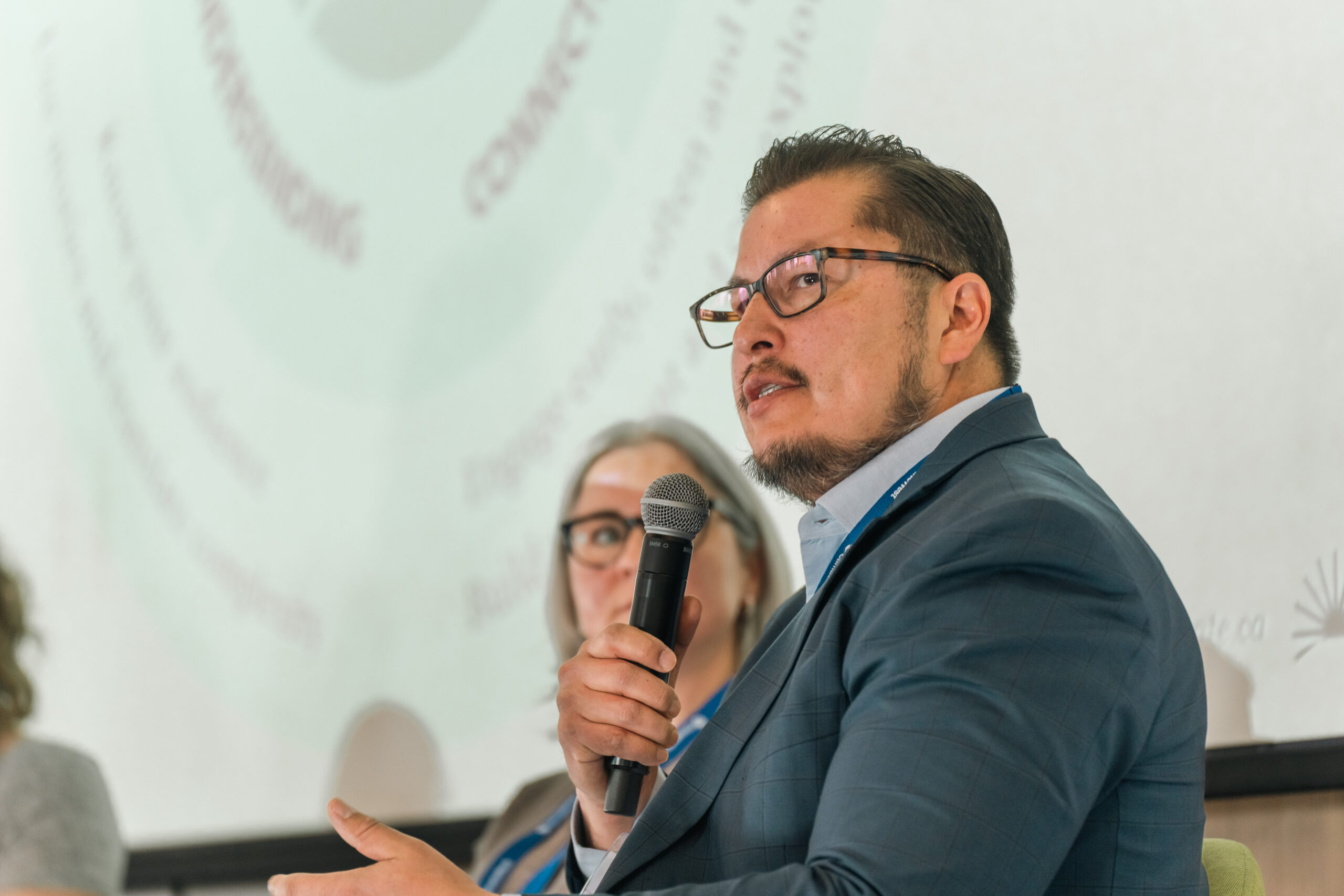
In the panel on communicating climate adaptation, Derek Bruno from SevGen Consulting spoke about some of the challenges of bridging these two knowledge systems. “How do you teach someone to have the kind of reverence for that fish or blade of grass as you do for your sibling or your family?” he asked. In order to understand the value of Indigenous Knowledge, he encouraged attendees to slow down, listen deeply, and centre respect, reciprocity and relationships in their work.
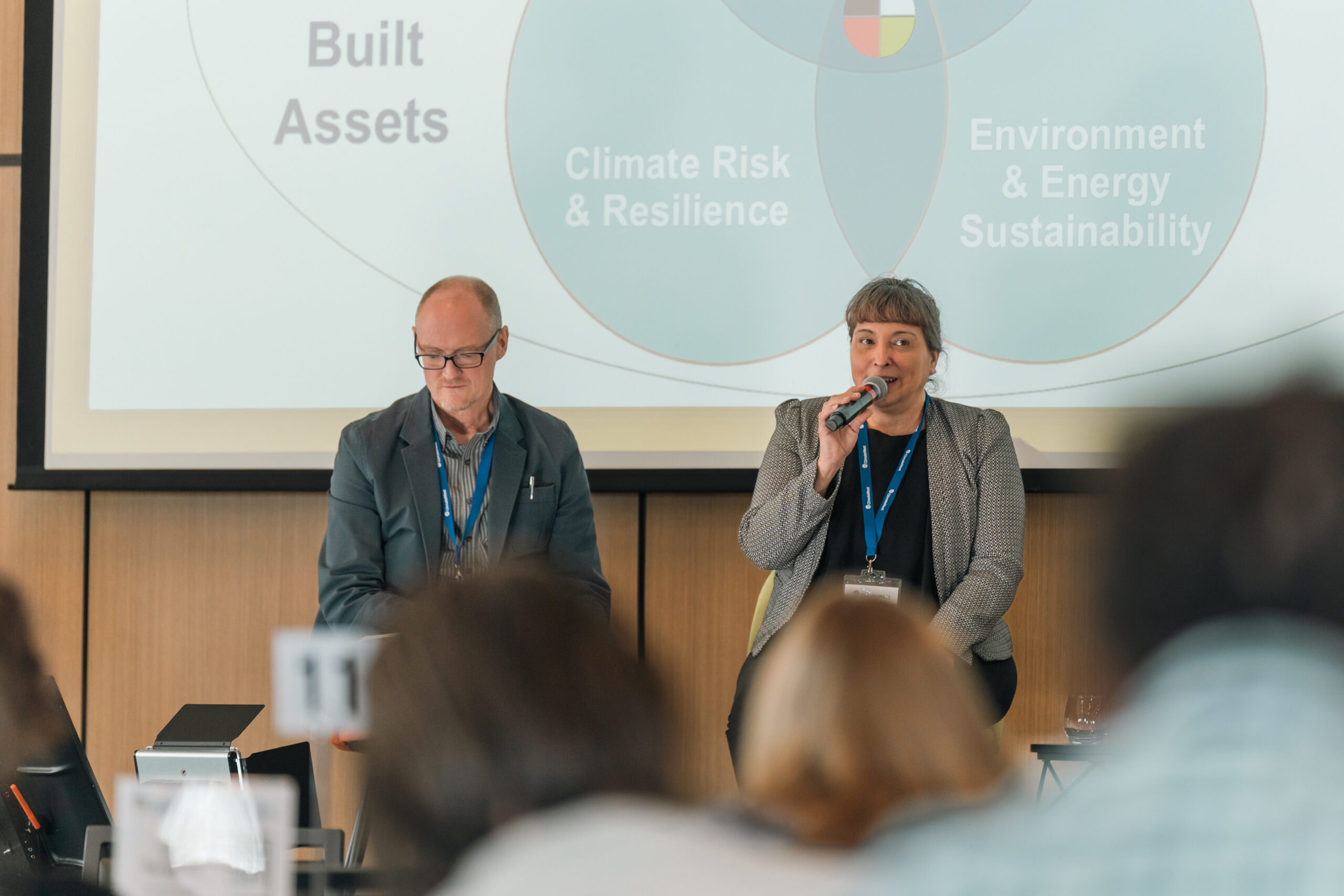
As we neared the end of day two, Carolyn Smeltzer from Swampy Cree Tribal Council and Darren Swanson from Novel Futures shared how they applied a Two-Eyed Seeing approach to climate risk assessments for eight First Nations in Northern Manitoba. Their methodology, coined the Eagle Eye View, identified climate risks by bringing together lived experience, community memory, and climate science while also considering both built and natural assets.
From severe drought to extreme flooding, the prairie region has a long history of preparing for and dealing with extreme water variability. Climate change has and will continue to make our relationship with water even more complex.
In Daniel’s presentation, he underscored the delicate hydrological balance of the prairies, particularly in areas which rely heavily on water flowing from outside the region. He explained that climate change is altering the timing and availability of this water, through earlier spring snowmelt and reduced late summer flows, making water management increasingly difficult. Dr. Anabela Bonada from the Intact Centre on Climate Adaptation highlighted some of the often overlooked impacts of flooding, from mental health challenges to declining housing prices. Eli Desautels touched on the disproportionate impacts of flooding and drought on Métis citizens, including disruptions to traditional harvesting practices.
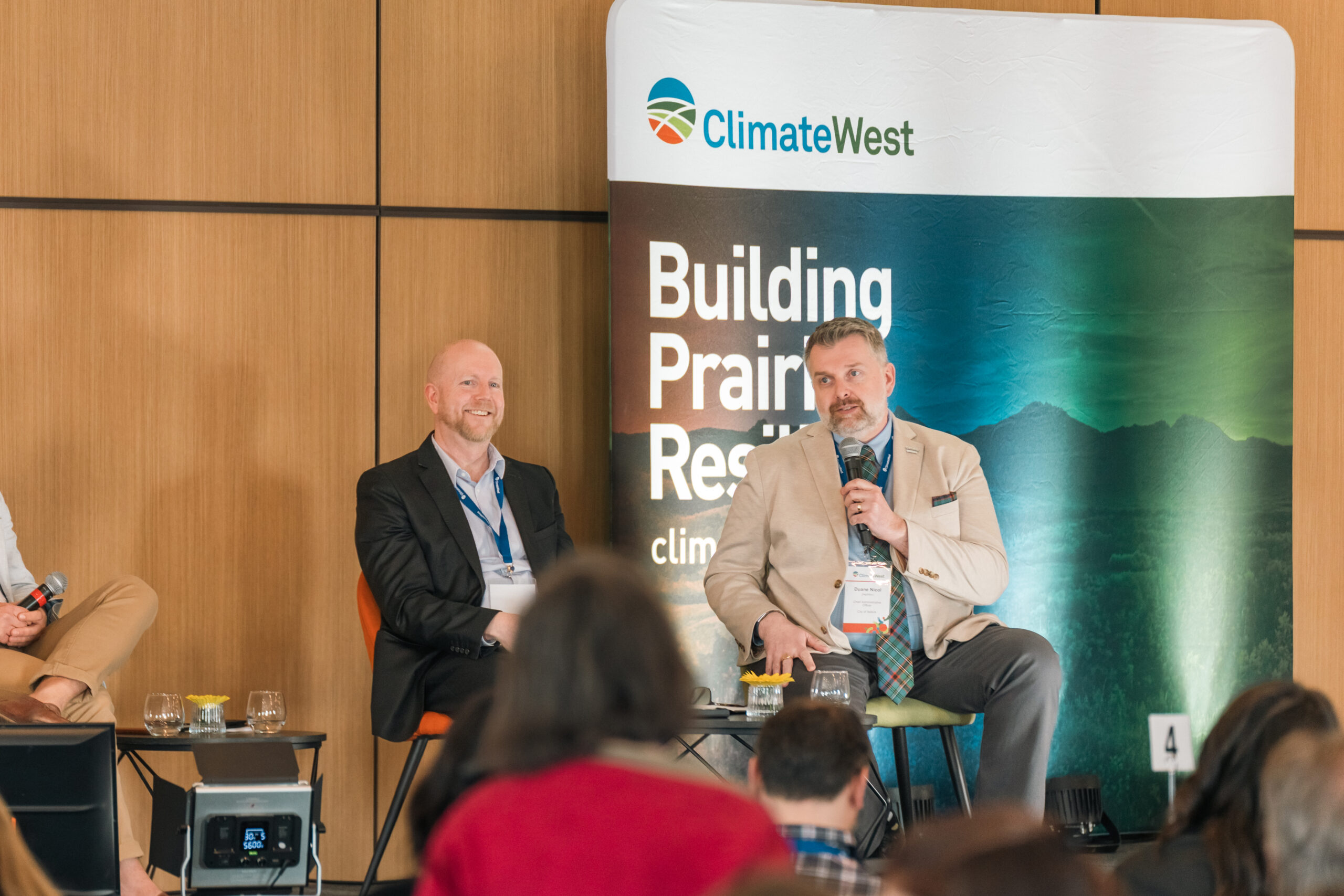
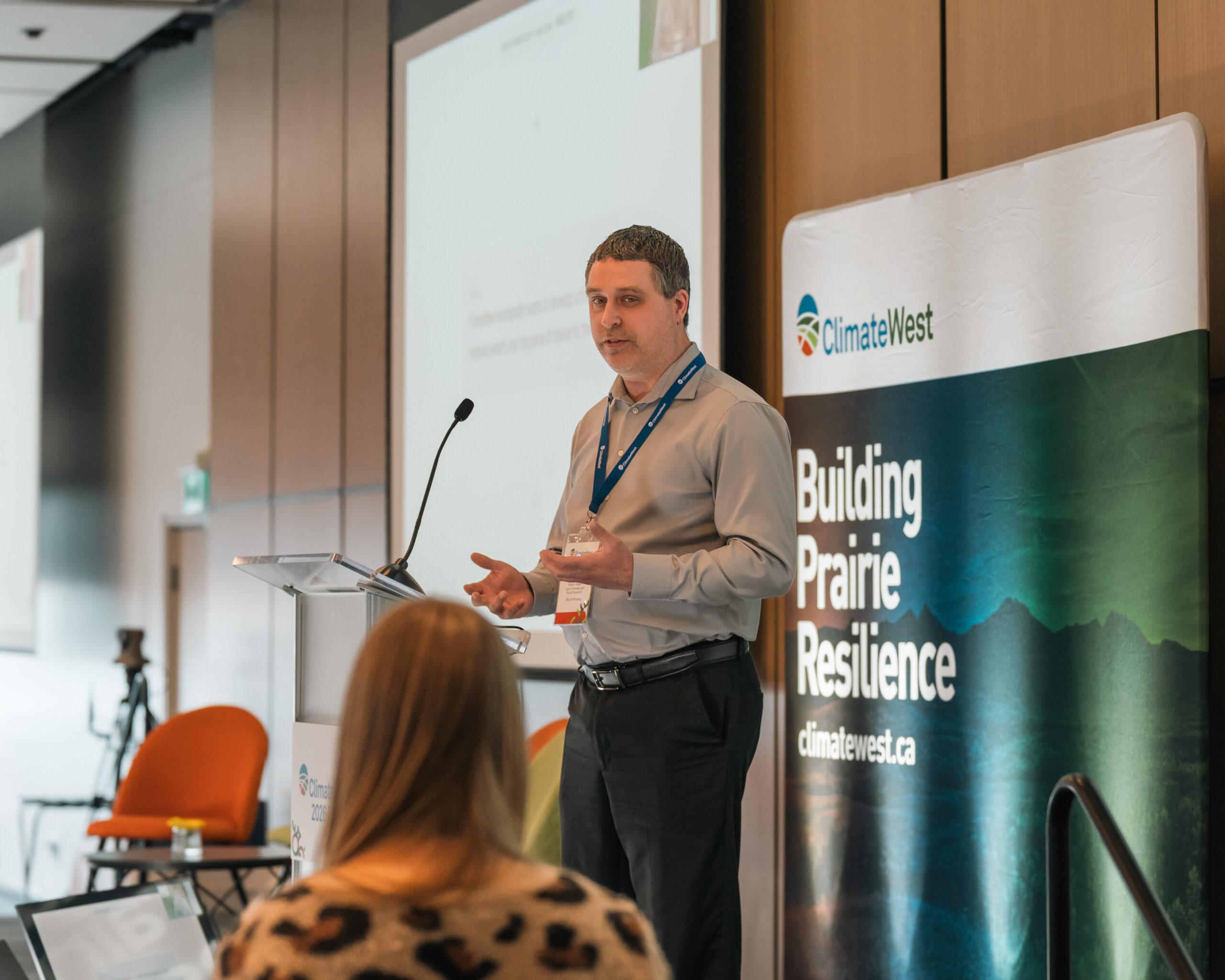
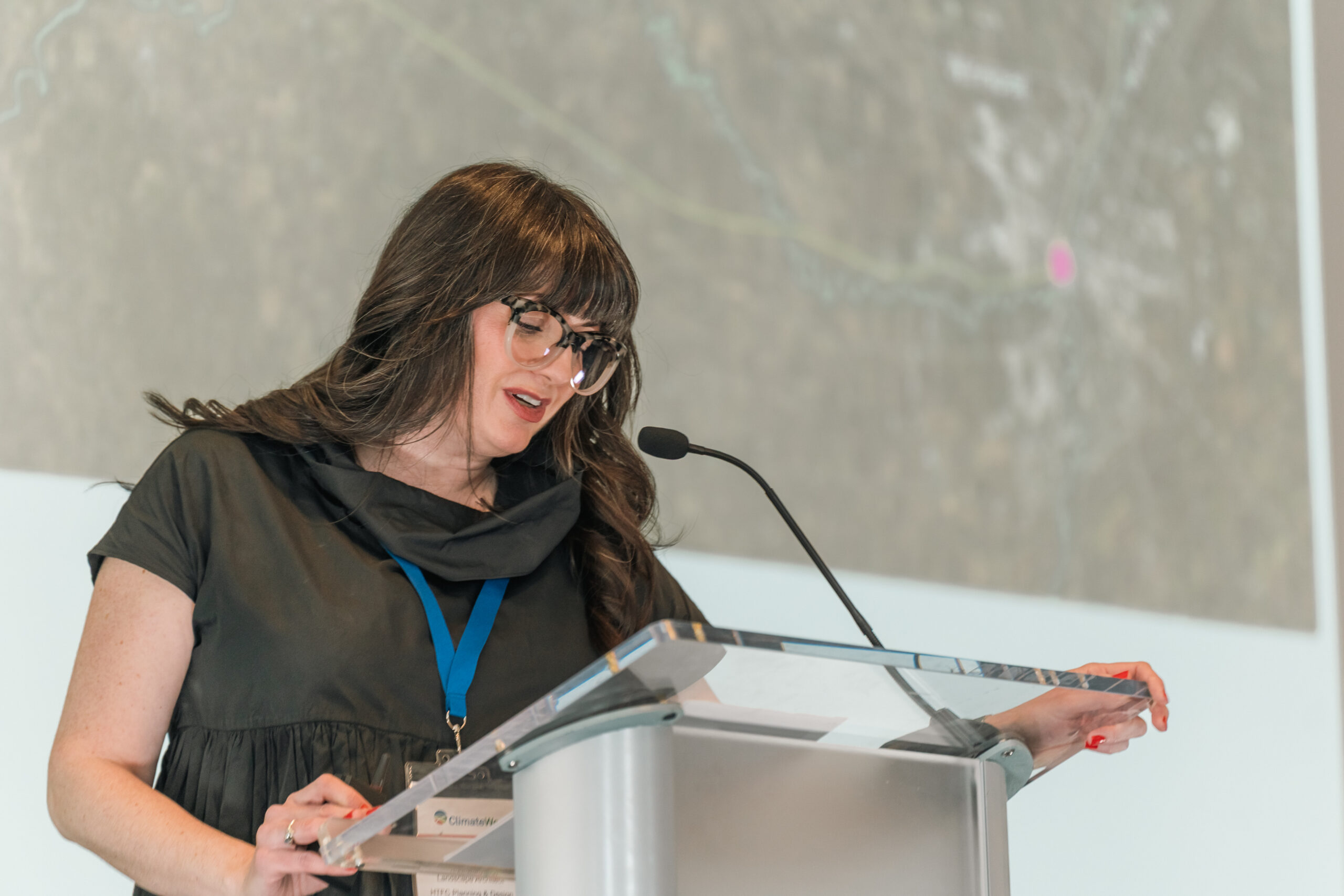
Despite these challenges, communities are taking meaningful action to curb these impacts and build resilience. City of Selkirk CAO, Duane Nicol shed light on the City’s strategy to plant more trees– which he describes as “The Swiss Army Knife” of climate adaptation– in flood prone areas, especially in lower-income neighbourhoods. Jeremy Greshuk from the City of Winnipeg explored the city’s long history of flooding and the development of a GIS-based flood manual to support coordinated planning and action across a wide range of flood events. Kaili Brown from HTFC Planning & Design shared case studies of embedding green infrastructure, such as soil cells and rain gardens which not only manage stormwater effectively but also enhance placemaking in the community.
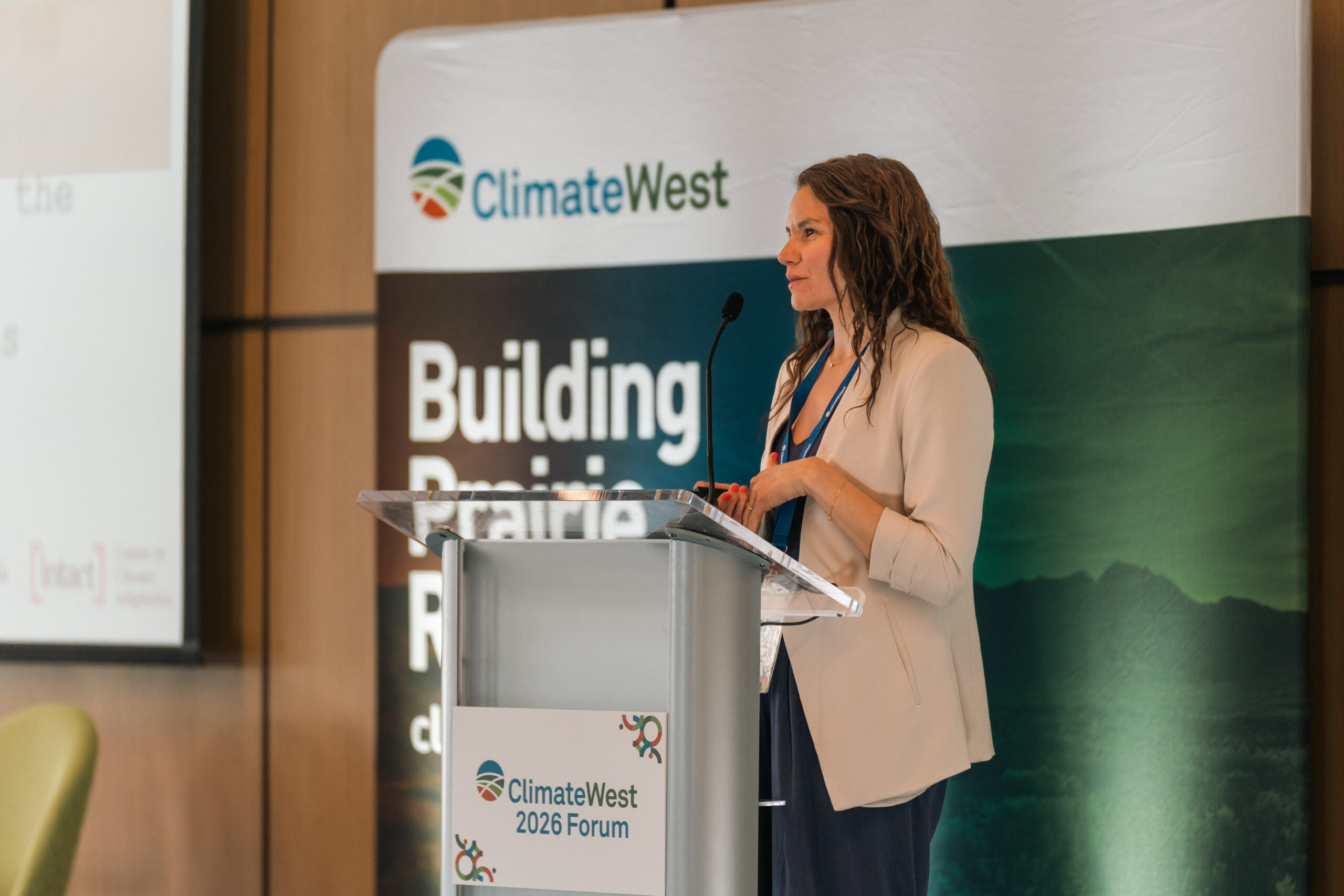
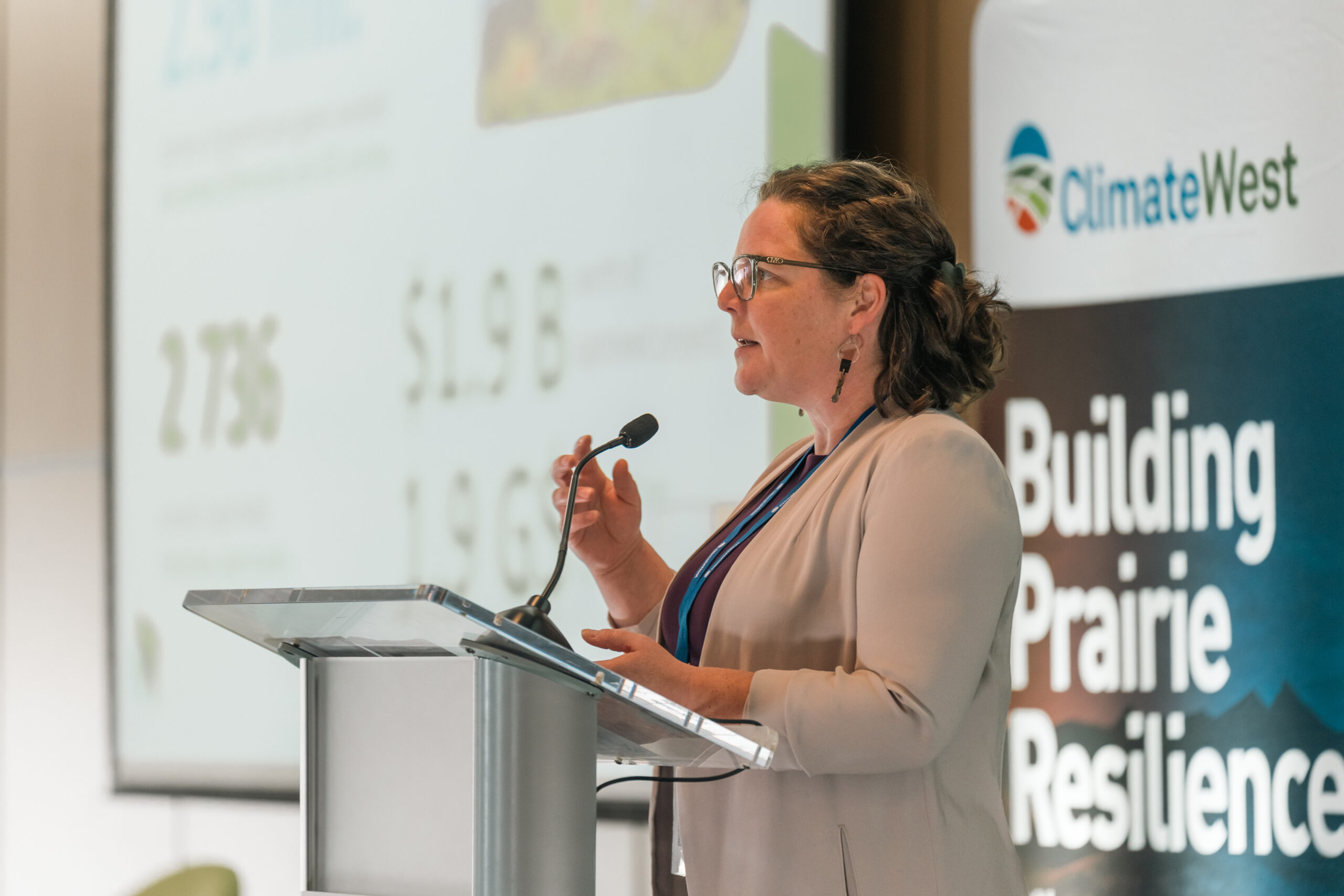
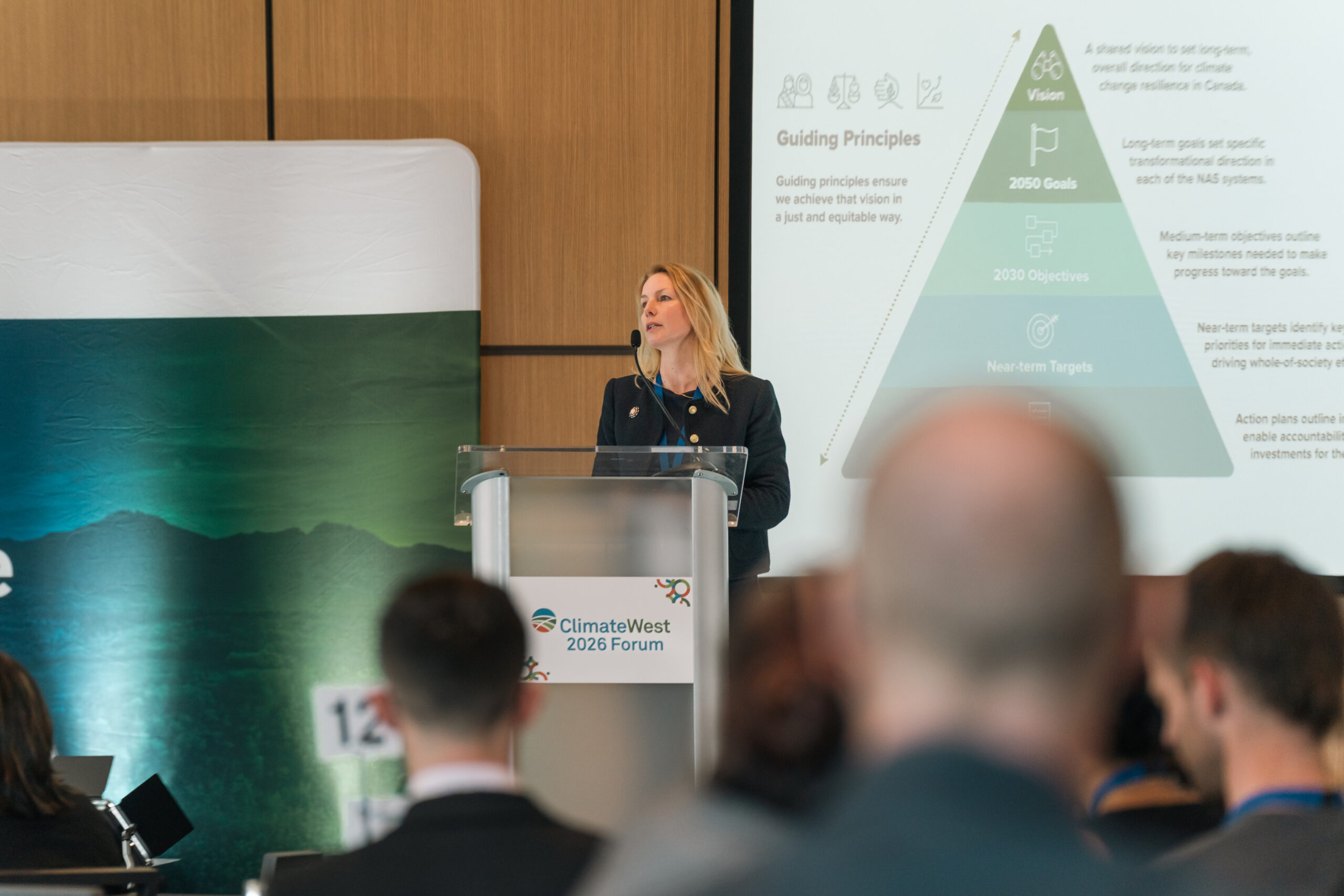
Canadians are increasingly experiencing the impacts of climate change, yet a persistent gap remains between awareness and action. Laniel Bateman from Environment and Climate Change Canada spoke about this challenge in her presentation on the National Adaptation Strategy. She noted that while 92% of Canadians were aware of their climate risks, this awareness isn’t translating into action. David Leibl from Wawanesa Insurance further reinforced this point in the Resourcing Resilience panel session. He observed that there is no shortage of evidence demonstrating the need to act; rather the real challenge lies in turning that knowledge into action.
Throughout the sessions, speakers put forward ideas on how to move this stubborn needle. Alongside highlighting the value of financial incentive programs and funding opportunities, Emilia Cameron from the Institute of Catastrophic Loss Reduction and Kaylyn Gervais from the Green Municipal Fund both discussed the importance of peer learning and sharing case studies to help individuals and communities see themselves in adaptation. Duane Nicol maintained that people are motivated by emotion, emphasizing that climate adaptation should highlight quality-of-life improvements rather than leveraging the fear of future risks to alter behaviour. Jessica Akande from Standards Council of Canada championed the role of standards in helping users approach adaptation actions with more direction and confidence.
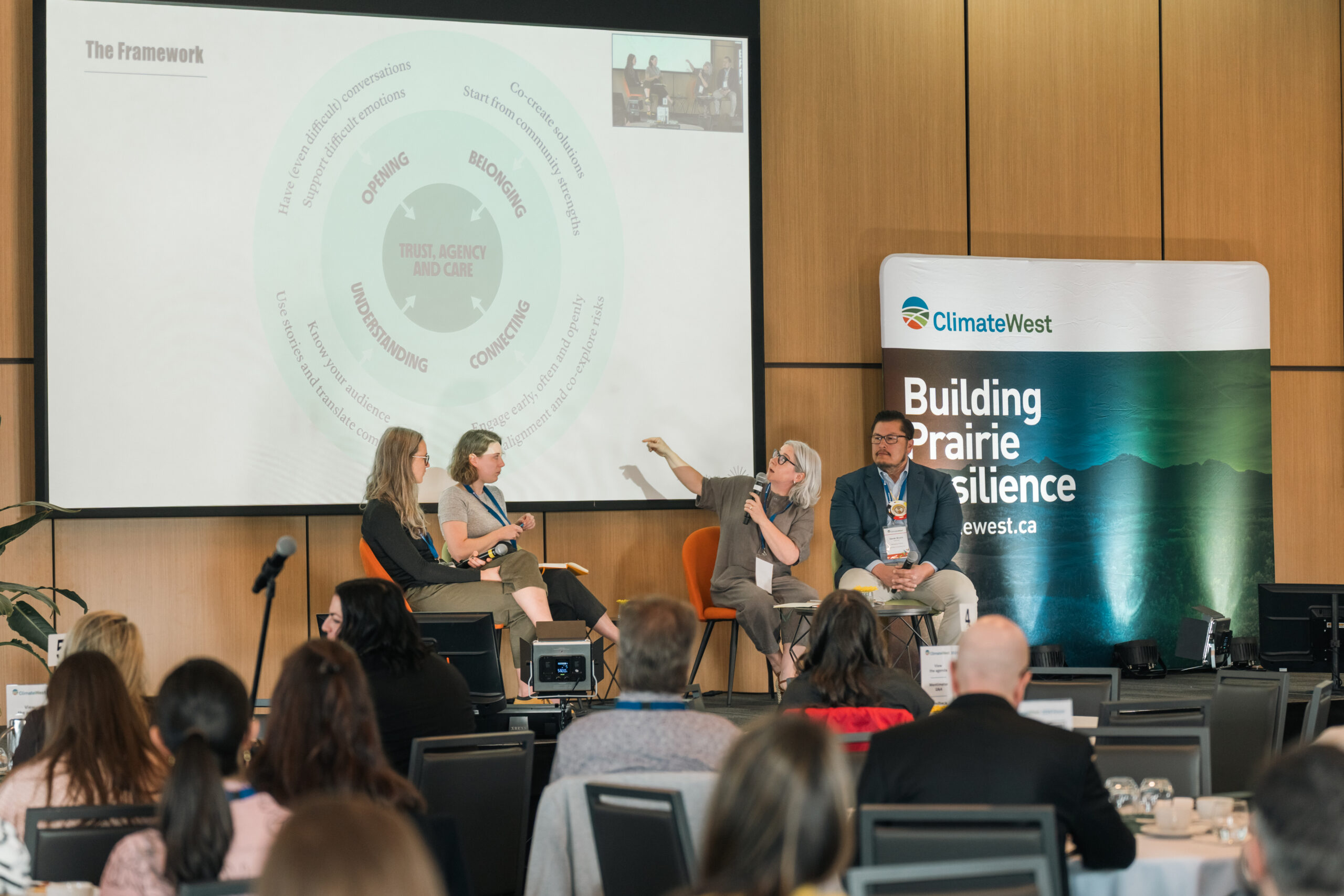
During the session on communicating climate adaptation, Amber Bennett from Re.Climate and her fellow panelists stressed that the public should be treated as partners in order to gain support and drive action. According to their research, effective adaptation communications and engagement should ultimately foster a sense of agency, demonstrate care and build trust. Without these principles at the forefront, our work can lead to further distrust, helplessness and alienation.
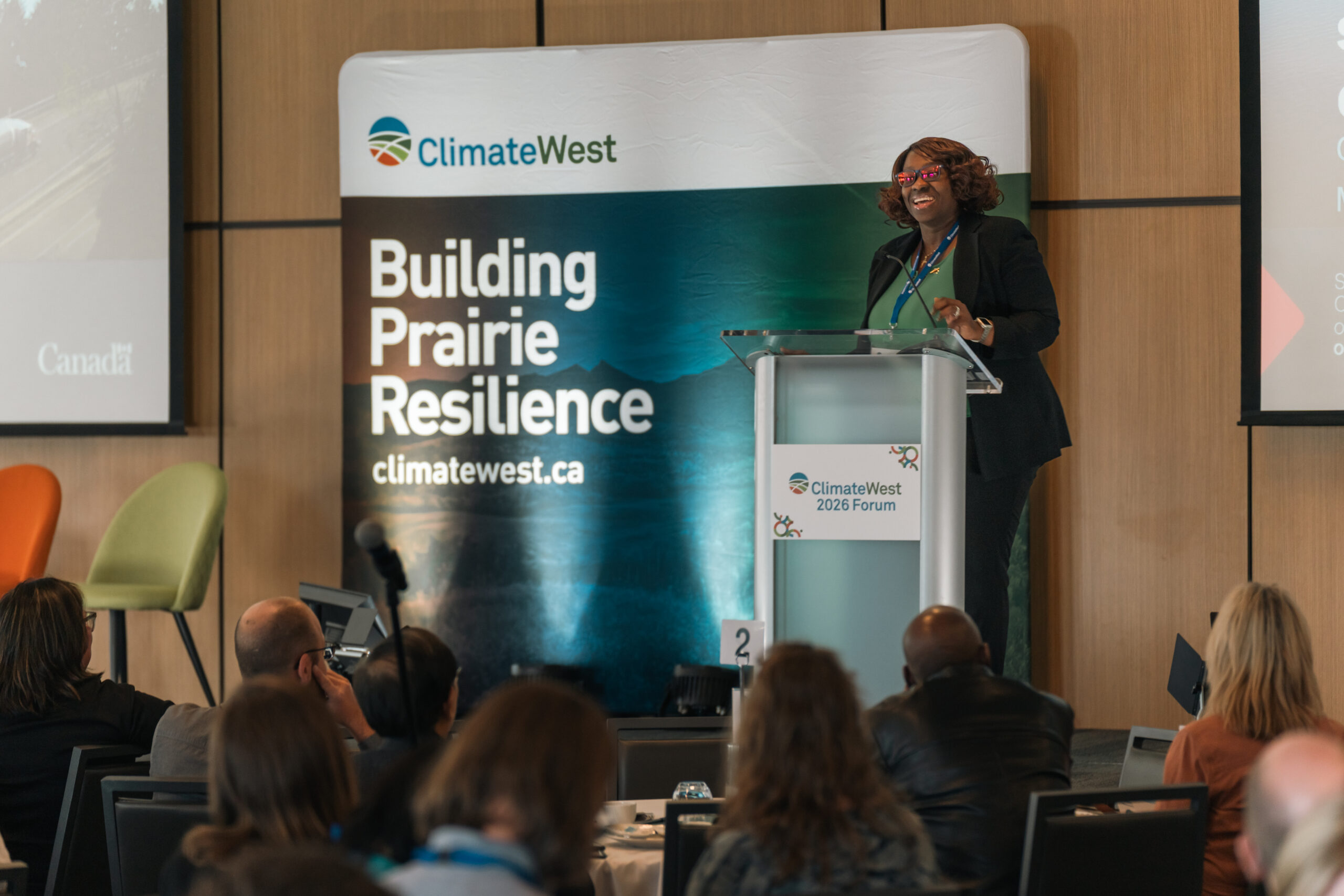
The theme of this year’s forum, mainstreaming climate adaptation, highlighted that climate adaptation is not the responsibility of one department, one sector or even one government. Climate change impacts every facet of our society and therefore everyone has a vital role in building climate resilience.
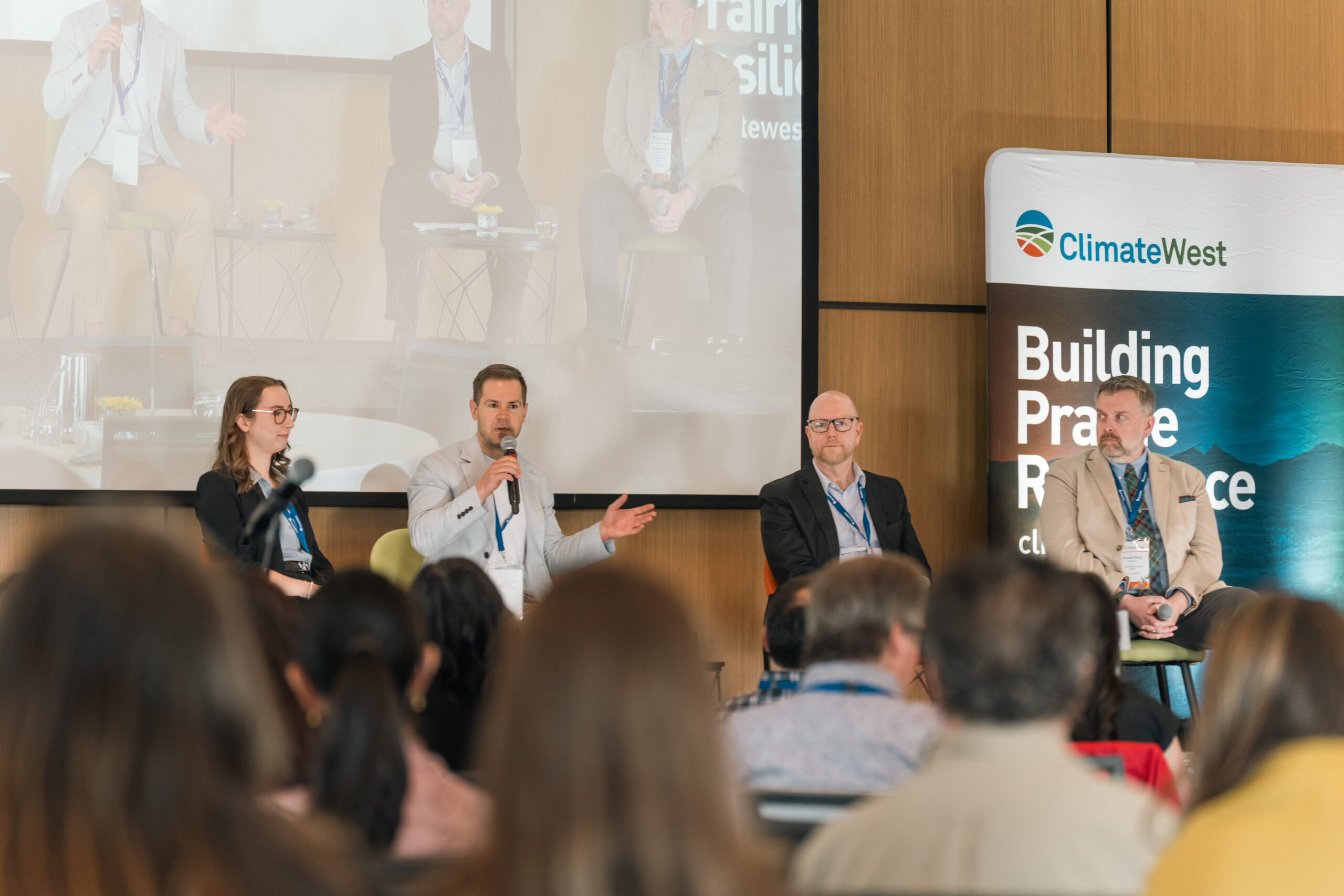
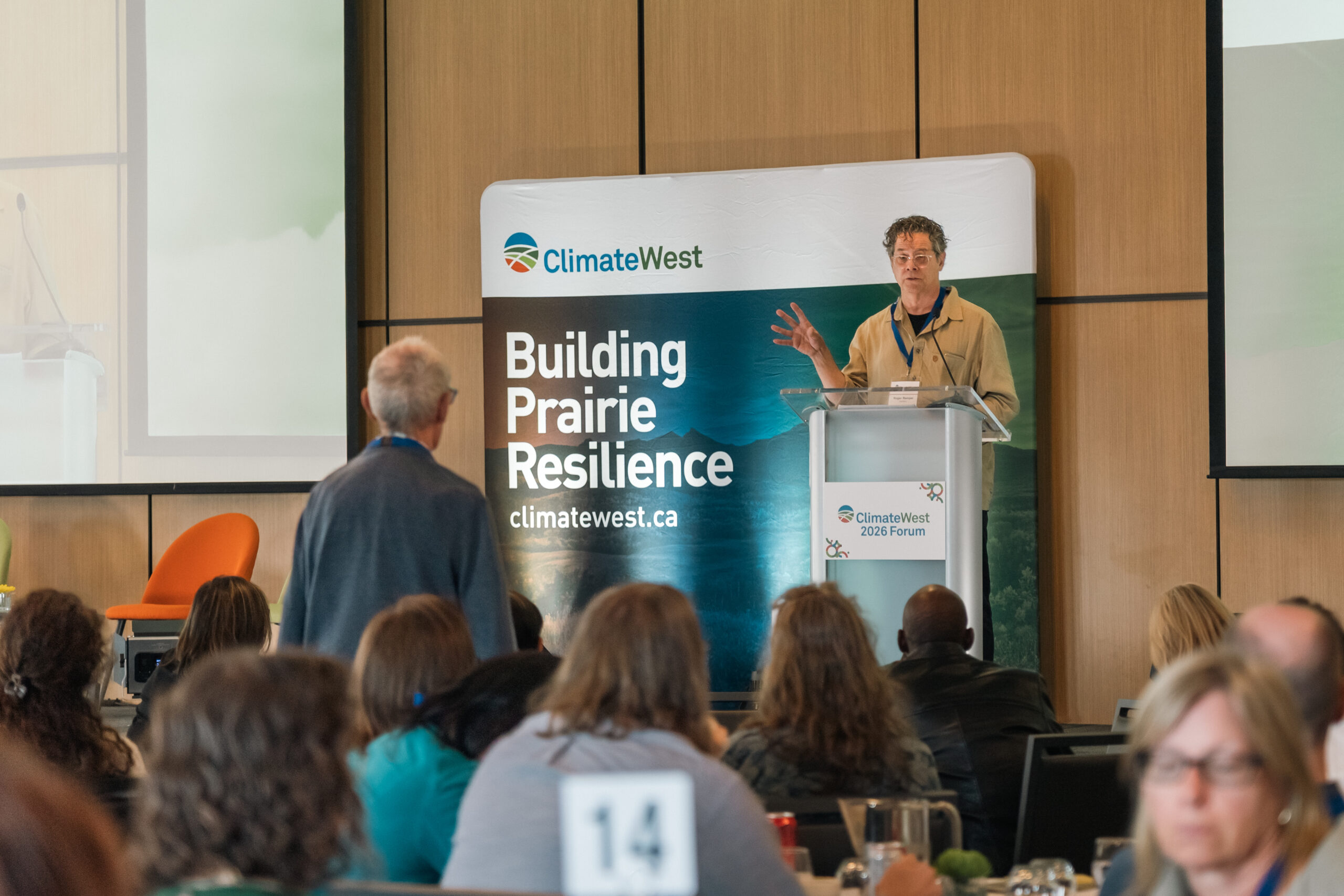
The forum program was carefully curated with this in mind. Each session highlighted the many ways different sectors are contributing to this shared effort. For example, in the Building for the Future session, we heard from the distinct and overlapping perspectives of policy, standards and design all of which are being developed with our future, rather than historic climate in mind. While Roger Rempel discussed the Manitoba government’s work to integrate climate adaptation considerations into the Environmental Assessment process, Kaili Brown spoke to the role of urban design and landscape architecture in helping build resilient communities.
Despite differences in perspectives and approaches, present in each of these sessions was the recognition that building climate resilience depends on coordinated action across households, communities, governments and diverse sectors. Laniel Bateman drove this message home in her presentation on the National Adaptation Strategy, reiterating to the audience the need for a whole-of-society approach to adaptation from coast to coast to coast.
- People and Relationships: Attendees heard about the vital role of people and relationships in building climate resilience. They recognized that building trust through respectful and inclusive engagement enables the co-development of effective solutions.
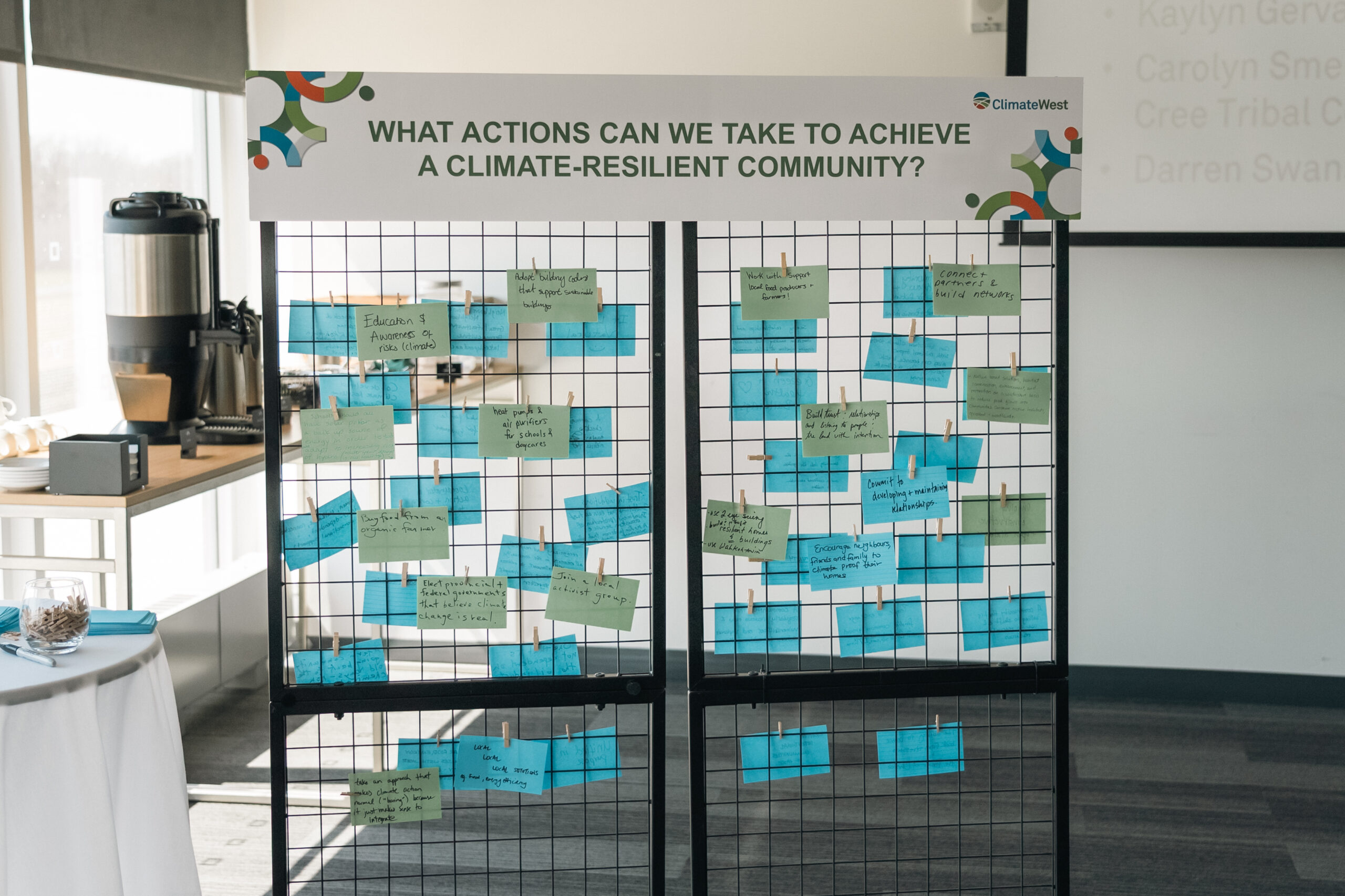
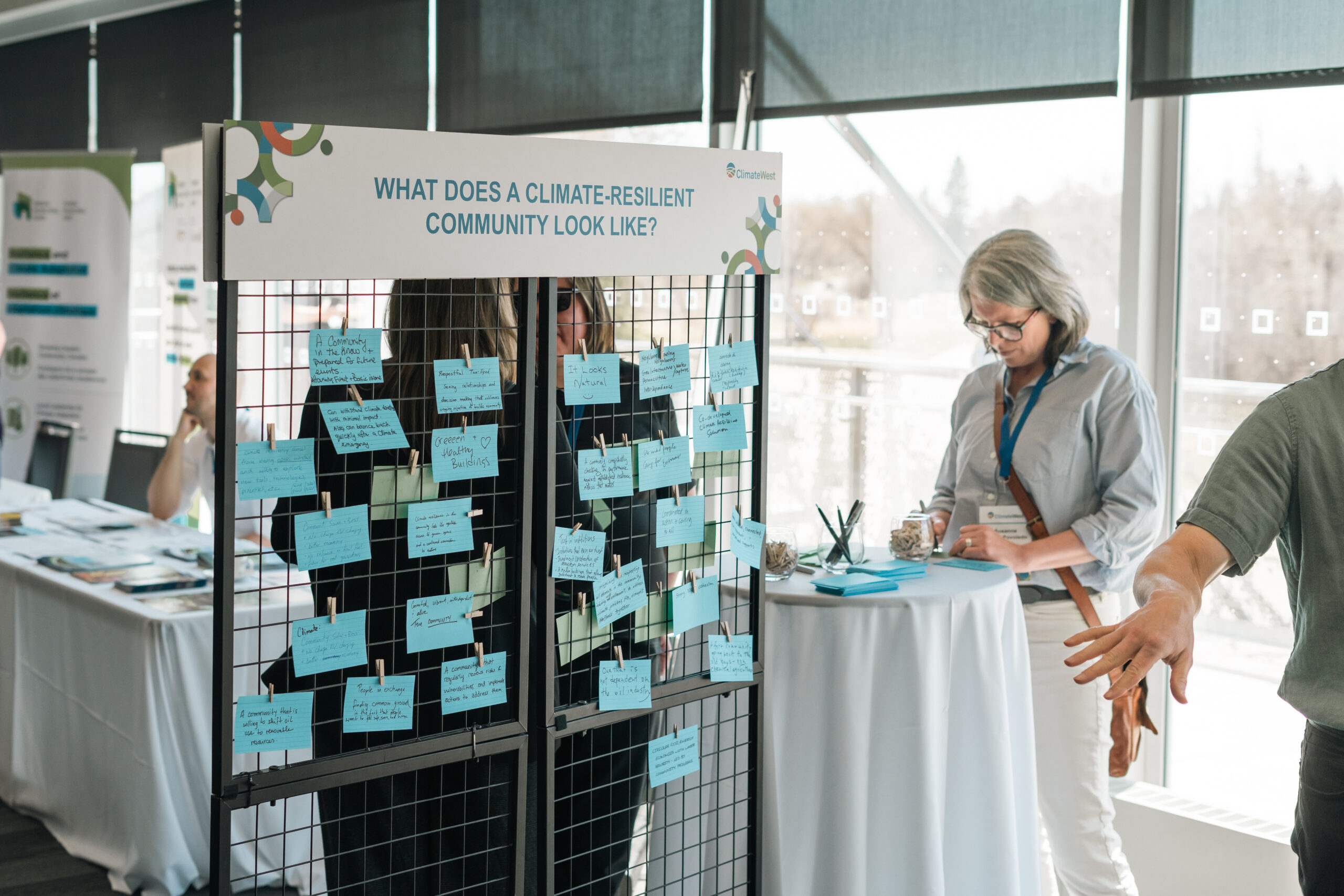
- Resilient Communities: The Route to Resilience board highlighted that attendees see a climate resilient community as one that is coordinated, connected, and caring, with social cohesion being a vital component. Several regional projects were celebrated and learned from, but people want to see more communities in the region become leaders in adaptation.
- Collective Efforts: For many, the forum reinforced the idea that we are all in this together, and that even small actions can significantly enhance our collective resilience.
- Proactive Measures: Many participants recognized the importance of taking proactive steps and securing buy-in for climate adaptation initiatives. The notion that every dollar invested in infrastructure should also contribute to climate resilience resonated deeply, underscoring the need for effective adaptation to be integrated across various sectors and departments.
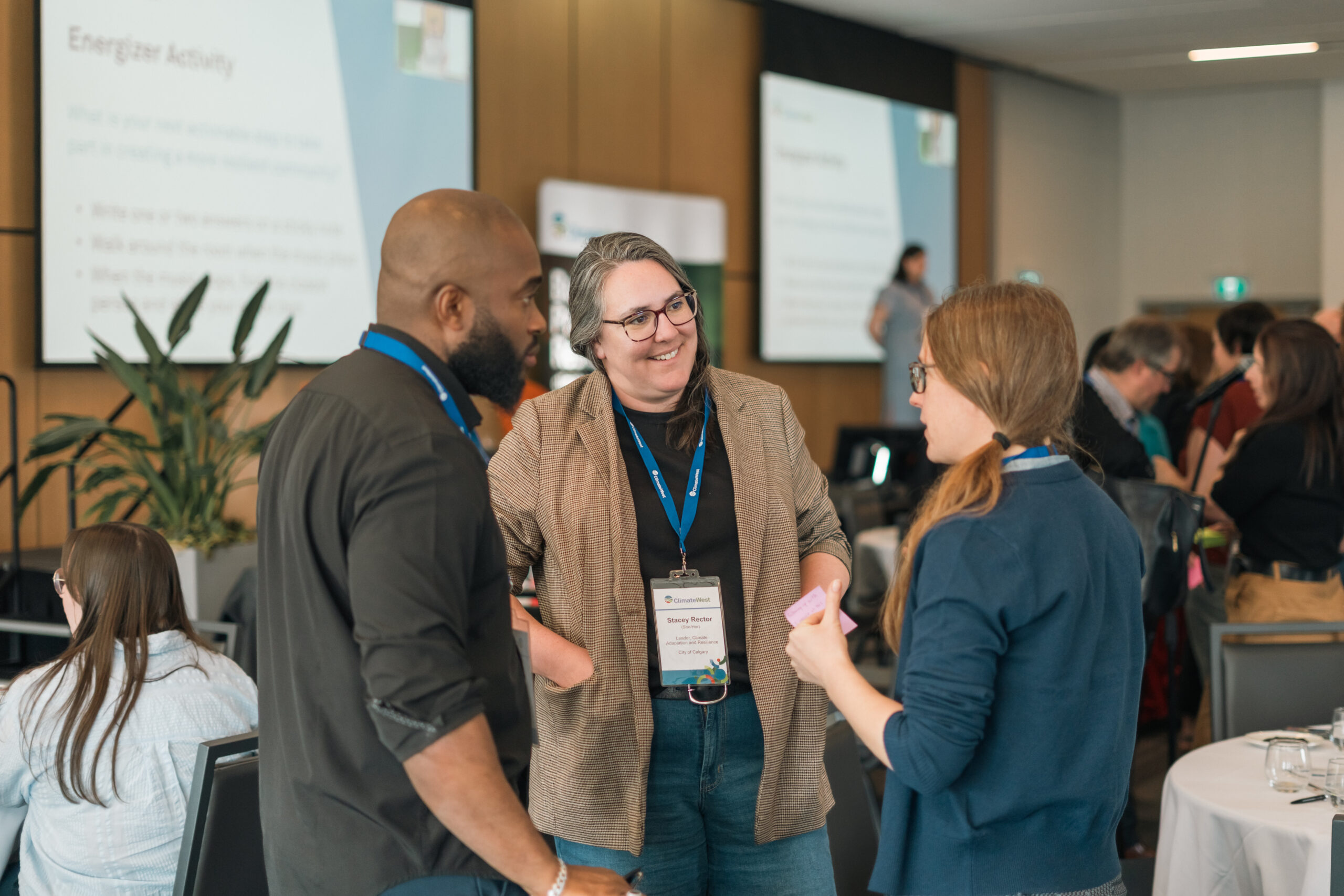
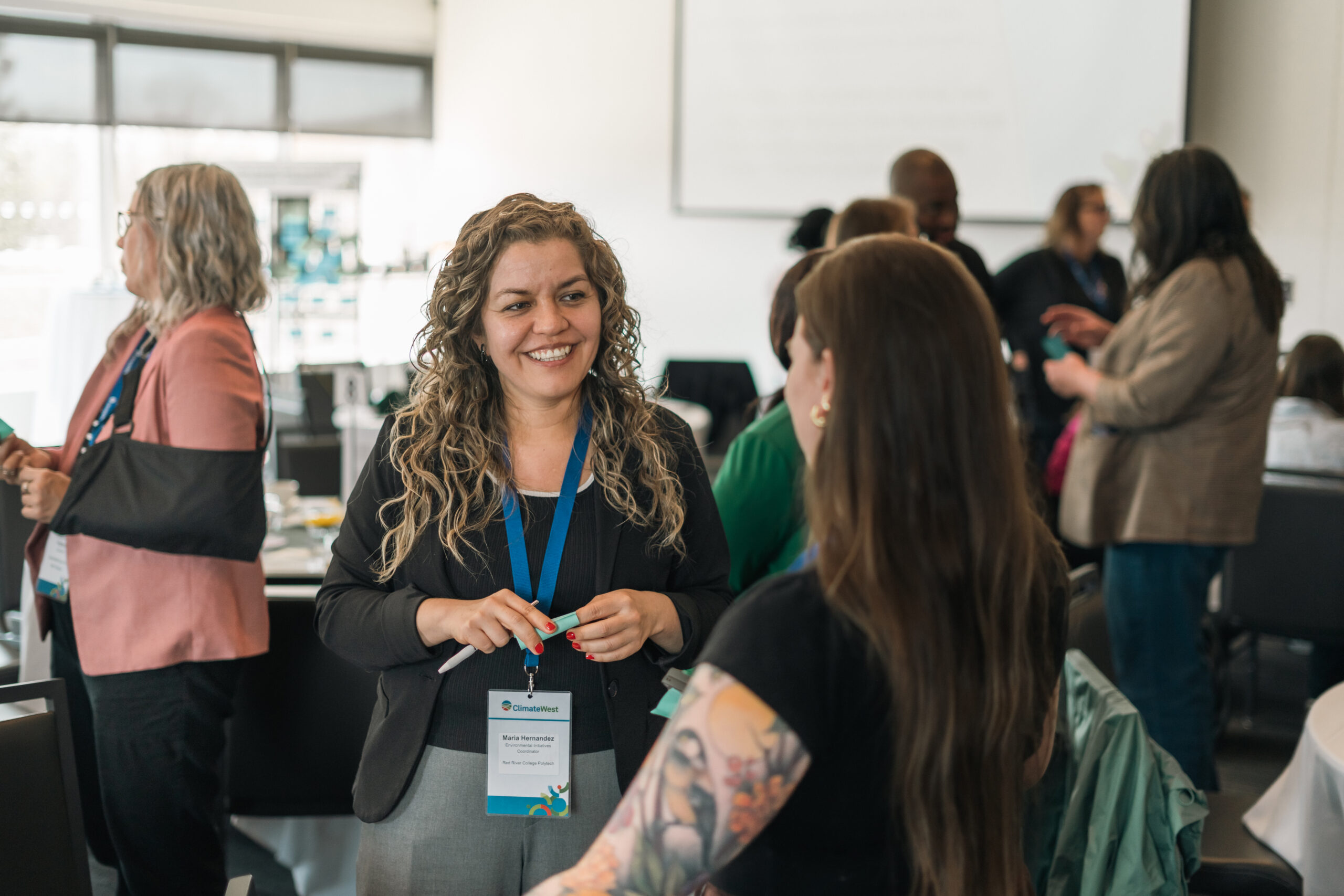
- Space to Gather: The importance of dedicated spaces, such as the forum, for discussing adaptation in the region was another recurring theme, with attendees expressing a strong desire for more opportunities to meet in person, share ideas, and collaborate. The forum left attendees feeling inspired and eager for continued collaboration and action. At ClimateWest, we look forward to building on this momentum in the year ahead through our networking, engagement and capacity-building efforts.
Download the full report to explore a list of resources shared at the Forum.
Download Forum Key Takeaways
Missed the Forum? Access presentations and recordings here.